0
3-Me-PCP
3-Me-PCP
3-Me-PCP (3-Methylphencyclidine) represents a significant class of methyl-substituted arylcyclohexylamine compounds utilised extensively within professional neuropharmacology research, forensic toxicology laboratories, receptor binding studies, and scientific institutions across international markets. As a specialised chemical category, these materials serve critical functions in NMDA receptor pharmacology, analytical method development, forensic identification, and advanced neurochemical investigation throughout Europe, North America, Asia-Pacific, and other major research markets globally.
At realchemsupply.com, we understand the exacting standards of international research directors, forensic laboratory managers, and neuropharmacology professionals who require consistent access to high-quality chemical materials supported by comprehensive documentation, reliable supply chains, and regulatory awareness across diverse jurisdictions. Our B2B chemical supply services cater to qualified organisations engaged in legitimate scientific research, forensic analysis, receptor pharmacology studies, and industrial applications worldwide.
Whether your organisation operates within university neuroscience departments in Germany, forensic toxicology laboratories in the United States, pharmaceutical research centres in Switzerland, or analytical chemistry facilities in Japan, understanding the chemical properties, professional applications, and procurement considerations surrounding 3-Me-PCP is essential for maintaining rigorous scientific standards, ensuring analytical accuracy, and achieving regulatory compliance within your specific operational framework.
What Are 3-Me-PCP?
3-Me-PCP refers to 3-Methylphencyclidine, a chemical compound belonging to the arylcyclohexylamine class characterised by a methyl group substitution at the third position of the phenyl ring attached to a piperidine-containing cyclohexylamine core structure. This structural modification creates distinct physicochemical and pharmacological properties that differentiate these compounds from both non-substituted phencyclidine and other positional isomers, making them valuable for comparative research and analytical applications across global scientific markets.
Chemical Classification and Structural Characteristics
As methyl-substituted arylcyclohexylamine compounds, 3-Me-PCP derivatives exhibit specific molecular characteristics resulting from the combination of the rigid cyclohexyl ring system, the aromatic phenyl ring with meta-methyl substitution, and the basic piperidine nitrogen. The methyl substituent at the meta position influences electronic properties, steric interactions, lipophilicity, and metabolic stability compared to the unsubstituted parent compound and other positional isomers.
This structural configuration affects receptor binding affinity, NMDA channel blocking kinetics, and analytical behaviour including chromatographic retention times and mass spectrometric fragmentation patterns. These distinct characteristics make 3-Me-PCP particularly valuable for structure-activity relationship studies, isomeric differentiation in forensic analysis, and comparative pharmacological research.
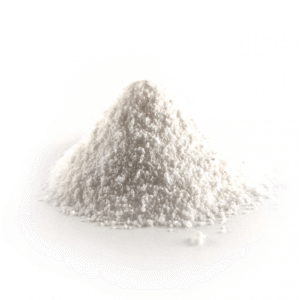
These compounds typically present as crystalline solids, free-flowing powders, or in salt forms (commonly hydrochloride salts) under standard ambient conditions, though specific physical properties including melting point ranges, solubility characteristics in aqueous and organic media, and stability profiles vary according to the precise chemical entity, salt form, and manufacturing methodology employed.
Professional and Scientific Relevance
Professional organisations across international markets source 3-Me-PCP compounds for several legitimate scientific, forensic, and research purposes:
Forensic and Toxicological Analysis: Forensic laboratories, clinical toxicology facilities, and analytical service providers employ these compounds as certified reference materials for chromatographic method development, mass spectrometry library development, and toxicological screening procedures. The structural similarity to controlled substances combined with distinct analytical properties makes these compounds essential for accurate identification and differentiation in forensic casework.
Neuropharmacological Research: Academic institutions and contract research organisations utilise these materials as analytical standards and research tools in studies investigating NMDA receptor pharmacology, structure-activity relationships, and the effects of aromatic substitution on receptor binding and channel blockade characteristics.
Isomeric Differentiation Studies: Research programmes examining how positional isomerism (ortho, meta, para substitution patterns) affects pharmacological and analytical properties utilise 3-Me-PCP alongside other methyl-substituted analogues for comparative investigation.
Analytical Chemistry Development: Development and validation of analytical methods capable of distinguishing positional isomers and structural analogues in complex matrices.
International Procurement Considerations
When sourcing 3-Me-PCP materials for professional applications, international buyers should evaluate several critical factors:
Documentation and Specifications: Reputable international suppliers provide comprehensive product specifications, analytical characterisation data including structural confirmation, and appropriate documentation supporting forensic and research applications.
Isomeric Purity: Given the potential for positional isomer formation during synthesis, verification of 3-substitution pattern (as opposed to 2-Me-PCP or 4-Me-PCP) is essential for forensic and research validity.
Regulatory Compliance: These compounds may be subject to specific regulatory controls, analogue legislation, or reporting requirements in various jurisdictions. Professional organisations must ensure procurement activities align with applicable chemical control, import/export, and workplace safety regulations.
Types of Products Available
The 3-Me-PCP category encompasses various chemical formats suitable for different professional applications across international forensic, research, and analytical markets.
Research-Grade Powders and Crystalline Forms
- High-purity powders for gravimetric preparation and solution formulation
- Crystalline solids with enhanced stability and defined physical properties
- Characterised particle size distributions for consistent handling
- Compatible with diverse solvent systems for analytical applications
Salt Preparations
- Hydrochloride salts for enhanced aqueous solubility and stability
- Characterised stoichiometry supporting quantitative analysis
- Stability-optimised presentations for long-term storage
- Compatibility with biological and forensic matrices
Reference Standards and Certified Materials
- High-purity reference materials for forensic method validation
- Certified solutions with defined concentrations and uncertainties
- Mass spectrometry standards for library development
- Chromatographic standards for retention time verification
Isomeric Standards
Where available, characterised isomeric forms support:
- Selectivity verification in analytical methods
- Structure-activity relationship studies
- Forensic differentiation of positional isomers
- Metabolic pathway comparison studies
Solutions and Formulations
- Ready-to-use analytical standards in appropriate solvents
- Stability-tested formulations with defined shelf lives
- Custom concentrations for specific analytical requirements
- Matrix-matched standards for complex sample analysis
Availability, formulation, specification, and physical form depend entirely upon individual products and applicable regulatory constraints.
Industrial and Professional Applications
3-Me-PCP compounds serve diverse legitimate purposes across forensic, research, and analytical sectors within international markets.
Forensic Toxicology and Drug Identification
Forensic laboratories utilise these compounds for:
Reference Standard Development: Certified materials for chromatographic and mass spectrometric method development, ensuring accurate identification and differentiation from controlled substances and other positional isomers.
Isomeric Differentiation: Analytical methods capable of distinguishing 3-Me-PCP from 2-Me-PCP, 4-Me-PCP, and other structural analogues using chromatographic and spectroscopic techniques.
Toxicological Screening: Inclusion in comprehensive screening panels for novel psychoactive substances, designer drugs, and emerging substance trends.
Confirmation Analysis: High-purity standards for definitive confirmation and quantitative determination in forensic casework, driving under the influence investigations, and post-mortem toxicology.
Clinical and Emergency Toxicology
Hospital and clinical laboratories employ reference materials for:
Emergency Toxicology Screening: Rapid identification in overdose cases, poisonings, and adverse reaction investigations.
Therapeutic Monitoring: Research applications examining pharmacokinetic profiles and detection windows.
Clinical Research: Studies examining pharmacological effects, drug interactions, and safety parameters.
Academic Neuropharmacology Research
Research institutions conduct studies in:
NMDA Receptor Pharmacology: Investigations into receptor binding affinity, channel blockade kinetics, and structure-activity relationships comparing methyl-substituted analogues.
Isomeric Structure-Activity Studies: Comparative research examining how positional substitution affects pharmacological properties.
Metabolic Pathway Research: Biotransformation studies, metabolite identification, and clearance mechanism investigations.
Neuropharmacological Mechanisms: Research into glutamatergic system modulation and neurophysiological effects.
Analytical Chemistry and Method Development
Professional applications include:
Chromatographic Method Optimisation: Development of HPLC, GC, UPLC, and LC-MS/MS methods with isomeric resolution capabilities.
Mass Spectrometry Library Development: Creation of comprehensive spectral libraries including fragmentation patterns for forensic identification.
Sample Preparation Development: Optimisation of extraction and purification procedures for complex biological matrices.
Validation Studies: Method validation for specificity, selectivity, sensitivity, and reproducibility including isomeric discrimination.
Pharmaceutical and Medicinal Chemistry
Research applications include:
Structure-Activity Relationship Studies: Understanding how methyl substitution position affects pharmacological and physicochemical properties.
Drug Design Research: Investigation of structure-based pharmacophore models for NMDA receptor ligands.
Lead Optimisation Programmes: Medicinal chemistry research exploring substituted arylcyclohexylamine scaffolds.
Quality Standards and Procurement Considerations
Analytical Quality and Characterisation
Forensic and research applications demand rigorous quality standards:
- Identity Confirmation: Multi-technique verification including NMR (¹H, ¹³C), mass spectrometry, and infrared spectroscopy confirming 3-methyl substitution pattern
- Isomeric Purity: Assessment ensuring absence of 2-Me-PCP and 4-Me-PCP positional isomers
- Chemical Purity: Chromatographic purity assessment with defined acceptance criteria
- Stability Data: Supporting shelf-life claims under specified storage conditions
- Batch-specific Certificates of Analysis: Comprehensive documentation for each production lot
Forensic Defensibility Requirements
- Chain of custody documentation and secure handling protocols
- Environmental monitoring and storage condition verification
- Measurement uncertainty estimation for quantitative applications
- Compliance with ISO/IEC 17025 and forensic science quality standards
- Accreditation requirements for reference material producers where applicable
International Supply Chain Considerations
Regulatory Navigation: Understanding controlled substance analogues legislation, novel psychoactive substance regulations, and import/export restrictions across jurisdictions.
Documentation Packages: Comprehensive documentation supporting customs clearance, institutional approval, and regulatory compliance.
Secure Supply: Maintaining availability despite regulatory changes, scheduling decisions, and supply chain disruptions.
Specialised Packaging
- Tamper-evident packaging maintaining forensic integrity
- Light-protected containers preventing photodegradation
- Inert atmosphere packaging for oxidation-sensitive materials
- Temperature-controlled shipping for stability-critical shipments
- Compliance with dangerous goods regulations for international transport
Product Forms
Powder and Crystalline Presentations
- Free-flowing powders for precise gravimetric measurement
- Crystalline solids with enhanced stability profiles
- Defined particle characteristics supporting consistent handling
- Suitable for dissolution, formulation, and analytical preparation
Pharmaceutical Salt Forms
- Hydrochloride salts with enhanced aqueous solubility
- Characterised counterion content and stoichiometry
- Optimised stability for forensic and research applications
- Compatibility with biological matrix analysis
Certified Reference Solutions
- Gravimetrically prepared solutions with certified concentrations
- Stability-tested formulations with uncertainty estimates
- Traceability to international measurement standards
- Suitable for calibration and quality control applications
Custom Preparations
Subject to feasibility and regulatory constraints:
- Specific concentrations for specialised applications
- Matrix-matched standards for specific sample types
- Stable-isotope labelled analogues for internal standard applications
- Custom solvent systems and formulations
Packaging Options
Forensic and Research Quantities
10 mg to 50 mg: Initial method development, spectral characterisation, retention time determination.
100 mg to 250 mg: Method validation, routine forensic analysis, ongoing research programmes, inter-laboratory studies.
500 mg to 1 g: Extensive validation studies, large-scale forensic operations, reference material production, long-term research projects.
Specialised Packaging Features
- Amber borosilicate glass vials with inert septum closures
- Vacuum-sealed and nitrogen-backfilled containers
- Desiccant inclusion for moisture-sensitive materials
- Tamper-evident seals ensuring chain of custody integrity
- Multi-layer packaging preventing contamination and degradation
Documentation Inclusion
- Comprehensive certificates of analysis with batch data
- Safety Data Sheets with handling and hazard information
- Stability studies and storage condition recommendations
- Spectral data summaries (MS, NMR, IR) where applicable
- Chain of custody documentation for forensic applications
Storage and Handling
Stability-Optimised Storage
Temperature Control: Refrigerated (2-8°C) or frozen (-20°C) storage typically recommended for long-term stability. Avoid freeze-thaw cycles.
Light Protection: Store in amber containers or light-impermeable packaging. Photodegradation can compromise chemical integrity and analytical accuracy.
Moisture Control: Desiccants and sealed containers prevent hydrolysis. Hygroscopic properties may require specialised handling protocols.
Atmosphere: Inert atmosphere (nitrogen or argon) recommended for long-term storage of oxidation-sensitive materials.
Forensic Integrity Protocols
- Secure storage with access controls and audit trails
- Environmental monitoring with temperature and humidity logging
- Inventory tracking with lot number segregation
- Contamination prevention through dedicated handling equipment
- Chain of custody maintenance throughout storage period
Safety and Handling
Personal Protective Equipment: Laboratory coats, chemical-resistant gloves, eye protection, and respiratory protection as indicated by hazard assessment and SDS recommendations.
Engineering Controls: Fume hoods for handling, local exhaust ventilation, and containment strategies for potent compounds.
Spill Response: Specific procedures for arylcyclohexylamine compounds including containment, neutralisation, and decontamination protocols.
Waste Management: Compliance with hazardous waste regulations for pharmaceutical and forensic laboratory waste streams.
Why Choose realchemsupply.com?
Forensic Reference Material Specialisation
Expertise in supplying certified reference materials meeting forensic defensibility standards, with understanding of isomeric purity requirements and analytical characterisation needs.
Isomeric Differentiation Capabilities
Knowledge of positional isomerism issues and supply of appropriately characterised materials with verified substitution patterns.
International Regulatory Expertise
Experience navigating complex controlled substance analogues legislation, export licensing requirements, and import compliance across global forensic and research markets.
Analytical Quality Commitment
Comprehensive characterisation including structural confirmation, purity assessment, isomeric verification, and stability evaluation supporting forensic and research validity.
Secure International Supply
Reliable sourcing networks maintaining availability of specialised reference materials despite regulatory complexity and market disruptions.
Professional Documentation
Certificates of analysis, stability data, spectral characterisation, and regulatory compliance documentation supporting institutional and legal requirements.
Specialised Logistics
Appropriate packaging for forensic integrity, stability maintenance, temperature control, and international dangerous goods compliance.
Confidential Professional Service
Discrete handling of sensitive forensic and research procurement requirements with appropriate security protocols and professional discretion.
Industries We Supply
- Forensic toxicology laboratories
- Medical examiner and coroner facilities
- Clinical toxicology services
- Police forensic science laboratories
- Academic neuropharmacology departments
- Pharmaceutical research organisations
- Contract research organisations (CROs)
- Analytical chemistry service providers
- Reference material manufacturers
- Government research institutions
- Veterinary forensic laboratories
- Workplace drug testing facilities
- Regulatory compliance laboratories
Global Chemical Supply
European Forensic and Research Markets
Supporting forensic institutes, toxicology laboratories, and university research departments across Germany, United Kingdom, France, Netherlands, Switzerland, Sweden, Spain, Italy, and Belgium.
Key centres: Berlin, Frankfurt, London, Paris, Amsterdam, Zurich, Stockholm, Madrid, Milan.
North American Markets
Serving forensic laboratories, medical examiner facilities, and clinical toxicology services throughout the United States and Canada.
Major centres: Washington DC, New York, Los Angeles, Chicago, Toronto, Vancouver, Montreal.
Asia-Pacific Markets
Supporting forensic science facilities, pharmaceutical research, and academic institutions in Japan, Australia, South Korea, and Singapore.
Key markets: Tokyo, Osaka, Sydney, Melbourne, Seoul, Singapore.
Regulatory Awareness
We maintain current knowledge of:
- Controlled substance analogues legislation (Federal Analog Act, similar frameworks)
- Novel psychoactive substance regulations and generic scheduling
- Import/export licensing and permit requirements
- Forensic laboratory accreditation standards
- Research chemical reporting obligations
Critical Note: International buyers must verify applicable regulations, licensing requirements, and legal status in their jurisdiction. 3-Me-PCP may be classified as a controlled substance analogue or subject to specific restrictions in many countries.
Why International Forensic Facilities Choose realchemsupply.com
- Specialised expertise in arylcyclohexylamine reference materials
- Isomeric characterisation and verification capabilities
- Understanding of forensic defensibility and legal requirements
- Comprehensive analytical documentation packages
- Secure supply despite regulatory complexity
- Professional handling of sensitive procurement needs
- International logistics and customs compliance expertise
- Long-term partnership approach for ongoing reference material needs
Frequently Asked Questions — Global SEO FAQ
What are 3-Me-PCP?
3-Me-PCP (3-Methylphencyclidine) refers to methyl-substituted arylcyclohexylamine compounds utilised as forensic reference standards, neuropharmacology research tools, and analytical standards. These materials support NMDA receptor studies, forensic toxicology, and isomeric differentiation research.
Who purchases 3-Me-PCP products?
Forensic toxicology laboratories, medical examiner facilities, clinical toxicologists, academic neuropharmacology researchers, pharmaceutical scientists, police forensic laboratories, and analytical chemistry service providers. Professional credentials and intended use documentation required.
Are bulk quantities available internationally?
Subject to regulatory constraints, licensing requirements, and verification of legitimate forensic or research use. Availability varies significantly by jurisdiction due to controlled substance analogues legislation.
Which industries use these chemicals?
Forensic science, clinical and forensic toxicology, academic neuropharmacology research, pharmaceutical development, analytical chemistry services, police laboratories, and regulatory compliance organisations.
Can forensic laboratories order wholesale quantities?
Accredited forensic and clinical facilities with appropriate licensing may qualify for volume arrangements. Terms reflect regulatory requirements, documentation needs, and institutional verification.
What packaging sizes are available?
Standard configurations from 10 mg for initial characterisation through 50 mg, 100 mg, 250 mg, and larger quantities where permitted and appropriately licensed for forensic or research use.
How should 3-Me-PCP products be stored?
Typically refrigerated (2-8°C) or frozen (-20°C) with light protection and moisture control. Inert atmosphere storage may be recommended. Consult product-specific documentation.
Does realchemsupply.com supply international customers?
Yes, subject to regulatory feasibility, licensing verification, and legal compliance in both origin and destination jurisdictions. Some countries prohibit importation of arylcyclohexylamine compounds.
Can institutions request customised solutions?
Subject to regulatory constraints and appropriate licensing. Custom preparations may include specific concentrations, isotopically labelled analogues for MS applications, or matrix-matched standards.
Why choose realchemsupply.com?
Specialised expertise in forensic reference materials, isomeric characterisation capabilities, comprehensive analytical documentation, understanding of forensic defensibility requirements, and professional international supply capabilities.
Can universities purchase these products internationally?
Accredited research institutions may purchase for legitimate research purposes subject to institutional approval, regulatory compliance, and applicable licensing requirements in their jurisdiction.
How can international institutions request a quotation?
Contact our forensic and research team through https://realchemsupply.com/ with institutional credentials, licensing information, intended use documentation, and specific requirements.
Conclusion
3-Me-PCP represents a specialised category of methyl-substituted arylcyclohexylamine reference materials serving legitimate forensic, toxicological, and neuropharmacological research applications across international markets. Realchemsupply.com provides professional international B2B chemical supply supporting forensic laboratories, medical examiner facilities, neuropharmacology researchers, and analytical scientists globally.
We invite forensic toxicology facilities, medical examiner offices, research institutions, clinical laboratories, and analytical service providers to contact realchemsupply.com for forensic reference material enquiries, isomeric standard procurement, and long-term supply partnerships.
Visit https://realchemsupply.com/ to initiate your enquiry with appropriate institutional credentials.
Showing the single result