
0
4-CL-PVP
4-CL-PVP
4-CL-PVP (4-Chloro-alpha-PVP; 4-Chloropyrrolidinovalerophenone) represents a significant class of halogenated synthetic cathinone compounds extensively utilised within professional forensic toxicology laboratories, novel psychoactive substance (NPS) monitoring centres, analytical chemistry facilities, and regulatory institutions across international markets. As a chlorinated structural analogue of alpha-pyrrolidinovalerophenone (alpha-PVP), these materials serve critical functions in NPS identification, forensic analysis, legislative support, and stimulant pharmacology research throughout Europe, North America, Asia-Pacific, and other major forensic markets globally.
At realchemsupply.com, we understand the highly regulated nature and complex requirements of international forensic laboratory directors, NPS surveillance professionals, and toxicology specialists who require consistent access to high-quality halogenated cathinone reference materials supported by comprehensive analytical documentation, secure supply chains, and expert regulatory guidance. Our B2B chemical supply services cater to appropriately licensed and qualified organisations engaged in legitimate forensic analysis, NPS monitoring, regulatory compliance, and scientific investigation worldwide.
Whether your organisation operates within national forensic institutes in Germany, early warning systems in the United Kingdom, clinical toxicology laboratories in the United States, or analytical research facilities in Australia, understanding the chemical properties, forensic applications, and regulatory considerations surrounding 4-CL-PVP is essential for maintaining analytical accuracy, ensuring forensic defensibility, and achieving strict regulatory compliance.
What Are 4-CL-PVP?
4-CL-PVP refers to 4-Chloro-alpha-pyrrolidinovalerophenone, a chemical compound belonging to the synthetic cathinone class (beta-ketoamphetamines) characterised by a chlorine atom substitution at the fourth position of the phenyl ring within the pyrrolidinophenone structural framework. This structural modification of the alpha-PVP scaffold creates distinct physicochemical, pharmacological, and metabolic properties while maintaining the characteristic pyrrolidine ring and ketone functionality that define this potent stimulant class.
Chemical Classification and Structural Characteristics
As chlorinated pyrrolidinophenone derivatives, 4-CL-PVP compounds exhibit the characteristic synthetic cathinone backbone comprising a phenyl ring with para-chlorine substitution connected via a ketone bridge to an alkyl chain terminating in a pyrrolidine nitrogen-containing heterocycle. This structural architecture places these compounds within the broader pyrrolidinophenone family, which includes substances subject to significant regulatory scrutiny due to their potent stimulant effects, abuse liability, and public health concerns.
The chlorine substitution at the para position of the aromatic ring influences electronic properties, lipophilicity, metabolic stability, and receptor binding characteristics compared to the non-halogenated parent compound (alpha-PVP) and other halogenated analogues. Chlorine’s electronegativity, atomic radius, and ability to participate in halogen bonding create distinct pharmacological profiles and metabolic pathways, including altered cytochrome P450 metabolism and potential dehalogenation pathways. The para-substitution pattern also affects steric interactions at biological targets and chromatographic behaviour in analytical systems.
These compounds typically present as crystalline solids, free-flowing powders, or in salt forms (commonly hydrochloride salts) under standard ambient conditions, though specific physical properties including melting point ranges, solubility characteristics, and stability profiles vary according to the precise chemical entity, salt form, and manufacturing methodology employed.
Professional and Scientific Relevance
Professional organisations across international markets source 4-CL-PVP compounds for several legitimate forensic, regulatory, and research purposes:
Novel Psychoactive Substance Monitoring: NPS surveillance programmes, early warning systems, and regulatory laboratories utilise these materials to identify and track emerging halogenated cathinones entering the recreational drug market, supporting public health responses, harm reduction initiatives, and legislative actions.
Forensic and Toxicological Analysis: Forensic laboratories employ these compounds as certified reference materials for chromatographic method development, mass spectrometry library creation, and toxicological screening procedures. The structural relationship to controlled pyrrolidinophenones combined with distinct analytical properties makes these compounds essential for accurate identification in forensic casework, impaired driving investigations, post-mortem toxicology, and clinical emergency toxicology.
Legislative and Regulatory Support: Analytical data, reference materials, and pharmacological studies supporting controlled substance scheduling decisions, generic control implementation, and regulatory responses to emerging NPS trends.
Comparative Pharmacology Research: Academic and contract research organisations utilise these materials for studies investigating structure-activity relationships among halogenated cathinones, examining how para-chlorination affects norepinephrine-dopamine reuptake inhibition, metabolic stability, and toxicity profiles compared to other halogenated and non-halogenated analogues.
International Procurement Considerations
When sourcing 4-CL-PVP materials for professional applications, international buyers must evaluate several critical factors:
Regulatory Status and Compliance: These compounds are subject to the highest levels of regulatory scrutiny in many jurisdictions. Many countries have implemented specific controls, generic scheduling provisions, or analogue legislation targeting halogenated synthetic cathinones. Professional organisations must ensure full compliance with applicable chemical control, import/export licensing, and workplace safety regulations.
Documentation and Licensing: Reputable international suppliers require comprehensive documentation including institutional credentials, intended use verification, end-user certificates, and appropriate import licenses where required by destination country regulations.
Analytical Characterisation: Given the regulatory significance and forensic importance of these compounds, thorough analytical characterisation including structural confirmation, purity assessment, and stability evaluation is essential.
Secure Handling and Chain of Custody: Appropriate security protocols, storage conditions, and documentation maintaining chain of custody are critical for regulated substances of this nature.
Types of Products Available
The 4-CL-PVP category encompasses various chemical formats suitable for forensic, regulatory, and research applications where legally permissible and appropriately licensed.
Research-Grade Powders and Crystalline Forms
- High-purity powders for precise gravimetric preparation and analytical standard formulation
- Crystalline solids with defined physical properties and enhanced stability
- Characterised particle size distributions supporting consistent handling
- Compatibility with aqueous and organic solvent systems for analytical applications
Salt Preparations
- Hydrochloride salts providing enhanced aqueous solubility and stability
- Characterised stoichiometry supporting quantitative forensic analysis
- Stability-optimised presentations for reference material storage
- Compatibility with biological matrix analysis and toxicological applications
Certified Reference Standards
- High-purity reference materials with comprehensive certificates of analysis
- Gravimetrically prepared solutions with certified concentrations and uncertainty estimates
- Mass spectrometry standards for library development and compound identification
- Chromatographic standards for retention time verification and isomeric resolution
Analytical Calibration Materials
- Multi-point calibration sets for quantitative method development
- Internal standards and quality control materials
- Matrix-matched standards for complex sample analysis
Availability, formulation, specification, physical form, salt form, and regulatory status depend entirely upon individual products, synthesis capabilities, and applicable jurisdiction-specific controls. Many jurisdictions prohibit or severely restrict these compounds.
Industrial and Professional Applications
4-CL-PVP compounds serve specific legitimate purposes within forensic, regulatory, and research sectors where legally authorised and appropriately licensed.
Novel Psychoactive Substance Monitoring and Early Warning
NPS surveillance programmes utilise these compounds for:
Emerging Substance Identification: Reference materials for identifying new halogenated cathinones entering the recreational drug market through chemical analysis of seized materials, biological samples, and forensic casework.
Trend Monitoring and Epidemiology: Tracking the emergence, prevalence, geographic distribution, and demographic patterns of novel stimulant substances to inform public health responses, harm reduction strategies, and healthcare preparedness.
Legislative Support: Providing analytical data, reference standards, and pharmacological information supporting scheduling decisions, generic control implementation, and regulatory frameworks addressing halogenated NPS.
International Collaboration: Supporting cross-border NPS monitoring initiatives, standardised analytical protocols, and information sharing between forensic laboratories and regulatory agencies.
Forensic Toxicology and Death Investigation
Forensic laboratories utilise these compounds for:
Reference Standard Development: Certified materials for LC-MS/MS, GC-MS, UPLC, and HRMS method development ensuring accurate identification, quantification, and differentiation from related pyrrolidinophenones in biological matrices including blood, urine, vitreous humour, hair, and tissues.
Toxicological Screening: Inclusion in comprehensive NPS screening panels for post-mortem toxicology, impaired driving investigations, overdose casework, and criminalistics analysis.
Confirmation Analysis: High-purity standards for definitive confirmation using multiple orthogonal analytical techniques, satisfying forensic identification criteria, legal defensibility requirements, and Daubert standards for expert testimony.
Metabolite Identification and Characterisation: Reference materials for identifying and characterising phase I and phase II metabolites, supporting detection window determination, biomarker development, and understanding of biotransformation pathways including potential dechlorination.
Clinical and Emergency Toxicology
Hospital and clinical laboratories employ reference materials for:
Emergency Overdose Management: Rapid identification in acute stimulant intoxication cases involving “bath salts,” “gravel,” or novel halogenated stimulant exposures, supporting clinical decision-making and toxicological consultation.
Adverse Event Investigation: Analysis of suspected adverse reactions, drug-drug interactions, and idiosyncratic responses to novel psychoactive substances.
Therapeutic Monitoring Research: Studies examining pharmacokinetic profiles, elimination kinetics, toxicity thresholds, and concentration-effect relationships.
Academic and Contract Research
Research institutions conduct studies in:
Structure-Activity Relationships: Investigations into how para-chlorination affects norepinephrine-dopamine reuptake inhibition potency, selectivity, and structure-pharmacophore relationships compared to ortho-, meta-halogenation and non-halogenated analogues.
Metabolic Pathway Elucidation: Biotransformation studies examining dechlorination, hydroxylation, N-dealkylation, pyrrolidine ring opening, and conjugation reactions; identification of major and minor metabolites; and understanding of species differences in metabolism.
Neuropharmacological Mechanisms: Research into stimulant effects, neurotoxicity potential, abuse liability, conditioned place preference, and long-term neurological consequences of halogenated cathinone exposure.
Analytical Method Development: Creation of novel analytical approaches for detecting halogenated cathinones and their metabolites, including immunoassay development, high-resolution mass spectrometry methods, and ambient ionisation techniques.
Quality Standards and Procurement Considerations
Analytical Quality and Forensic Defensibility
Given the regulatory significance of these compounds, forensic applications demand the highest quality standards:
- Identity Confirmation: Multi-technique verification including NMR (¹H, ¹³C), high-resolution mass spectrometry, infrared spectroscopy, and potentially X-ray crystallography confirming chlorine substitution pattern and pyrrolidinophenone scaffold
- Purity Assessment: Chromatographic purity determination with comprehensive impurity profiling for related cathinones, synthesis byproducts, and degradation products
- Structural Integrity: Verification of 4-chloro substitution pattern, regiochemical purity, and absence of positional isomers (2-chloro, 3-chloro)
- Quantitative Certification: Gravimetric preparation with measurement uncertainty estimation, traceability to international standards where applicable
- Stability Evaluation: Accelerated and real-time stability studies under various storage conditions supporting shelf-life claims and handling recommendations
Regulatory Compliance and Legal Considerations
Generic Scheduling: Many jurisdictions have implemented generic controls covering halogenated pyrrolidinophenones and related synthetic cathinones, often specifically mentioning chlorinated analogues.
Specific Controls: Some countries have specifically scheduled 4-CL-PVP or applied analogue provisions based on structural similarity to alpha-PVP and other controlled pyrrolidinophenones.
Import/Export Restrictions: International movement of these compounds typically requires specific licenses, end-user certificates, export authorisations, and compliance with international drug control conventions including the UN Single Convention and national controlled substance legislation.
Research Chemical Regulations: Some jurisdictions have implemented specific reporting, registration, or notification requirements for NPS reference materials, even for legitimate forensic and research purposes.
Documentation and Due Diligence
- Comprehensive certificates of analysis with full analytical data, chromatographic purity, and spectral characterisation
- Safety Data Sheets with detailed handling, hazard, and emergency response information
- End-user certificates and intended use documentation verifying legitimate forensic or research purpose
- Chain of custody documentation for forensic applications
- Export/import licenses, permits, and regulatory compliance verification
- Material Safety Data Sheets and regulatory compliance statements
Product Forms
High-Purity Powders
- Free-flowing powders for precise gravimetric measurement
- Characterised particle size, morphology, and bulk density
- Suitable for dissolution, standard preparation, and analytical use
- Stability-optimised packaging configurations
Pharmaceutical Salt Forms
- Hydrochloride salts with enhanced aqueous solubility and crystalline stability
- Characterised counterion content, stoichiometry, and purity
- Optimised for forensic reference applications and long-term storage
- Compatibility with biological matrix analysis and toxicological applications
Certified Reference Solutions
- Gravimetrically prepared with certified concentrations and expanded uncertainty estimates
- Traceability to SI units and international measurement standards
- Stability-tested formulations with defined shelf lives under specified storage conditions
- Solvent systems optimised for analytical applications (acetonitrile, methanol, aqueous buffers)
Custom Preparations
Subject to regulatory constraints, synthesis feasibility, and appropriate licensing:
- Specific concentrations for specialised forensic applications
- Stable-isotope labelled analogues (deuterated, ¹³C-labelled) for LC-MS/MS internal standards and quantitative analysis
- Matrix-matched standards for specific sample types (blood, urine, oral fluid, hair extracts)
- Custom solvent compositions and formulations for specific analytical platforms
Packaging Options
Forensic and Research Quantities
10 mg to 50 mg: Initial method development, spectral characterisation, retention time determination, mass spectral library entry creation, and analytical selectivity evaluation.
100 mg to 250 mg: Method validation, routine forensic analysis, ongoing monitoring programmes, inter-laboratory validation studies, and proficiency testing.
500 mg to 1 g: Large-scale forensic operations, extensive validation studies, reference material production, and long-term research projects where permitted by regulatory frameworks.
Specialised Packaging Features
- Amber borosilicate glass vials with chemically inert PTFE-lined closures preventing contamination and degradation
- Desiccant inclusion for moisture-sensitive materials
- Tamper-evident seals ensuring forensic integrity and chain of custody
- Light-impermeable secondary packaging preventing photodegradation
- Inert atmosphere (nitrogen or argon) packaging for oxidation-sensitive compounds
- Temperature-indicating devices and cold chain packaging for stability-critical shipments
- Multi-layer containment preventing cross-contamination and meeting dangerous goods regulations
Documentation Packages
- Comprehensive certificates of analysis with full analytical data, chromatographic purity assessment, and spectral characterisation
- Safety Data Sheets with detailed hazard information, handling precautions, first aid measures, and emergency response procedures
- Stability studies, accelerated aging data, and recommended storage conditions
- Spectral data summaries (MS, NMR, IR, UV-Vis) supporting structural identification
- Chain of custody documentation and secure handling protocols for forensic applications
Storage and Handling
Stability-Preserving Storage Conditions
Temperature Control: Refrigerated (2-8°C) or frozen (-20°C) storage typically recommended for long-term stability of halogenated cathinones. Avoid temperature fluctuations and freeze-thaw cycles that may compromise chemical integrity.
Light Protection: Store in amber containers, light-impermeable packaging, or dark storage facilities. Photodegradation can compromise chemical integrity, alter analytical characteristics, and reduce shelf-life.
Moisture Control: Desiccants, hermetic sealing, and controlled humidity storage prevent hydrolysis, degradation, and hydrate formation. Many cathinones exhibit hygroscopic properties requiring careful moisture management.
Atmosphere: Inert atmosphere (nitrogen or argon) packaging and storage may be beneficial for long-term stability of oxidation-sensitive materials.
Forensic Integrity and Security Protocols
- Secure storage facilities with access controls, electronic locks, and audit trail systems
- Environmental monitoring with continuous temperature and humidity logging, alarm systems
- Inventory management with unique lot tracking, segregation by compound class, and regular reconciliation
- Contamination prevention through dedicated handling equipment, separate storage areas, and cleaning protocols
- Chain of custody maintenance throughout storage lifecycle with documentation of all access and transfers
Safety and Occupational Health
Personal Protective Equipment: Laboratory coats, chemical-resistant gloves (nitrile or neoprene), safety glasses or goggles, face shields for handling larger quantities, and respiratory protection (N95 or higher) as indicated by hazard assessment.
Engineering Controls: Chemical fume hoods with adequate face velocity, local exhaust ventilation, glove boxes for handling potent materials, and emergency eyewash/safety shower stations.
Spill Response: Specific procedures for halogenated cathinone compounds including containment, neutralisation, absorbent materials, decontamination procedures, and waste segregation.
Waste Management: Compliance with controlled substance disposal regulations, hazardous waste manifesting, and pharmaceutical laboratory waste requirements. Incineration typically required for final disposal.
Why Choose realchemsupply.com?
Synthetic Cathinone and NPS Expertise
Specialised knowledge of halogenated pyrrolidinophenone chemistry, regulatory status, forensic applications, and analytical requirements. Understanding of the unique challenges posed by halogenated NPS reference materials.
International Regulatory Navigation
Extensive experience with complex NPS legislation, generic scheduling provisions, halogenated cathinone controls, and international controlled substance regulations across multiple jurisdictions. Expertise in export licensing, end-user verification, and compliance documentation.
Forensic Quality Standards
Commitment to comprehensive analytical characterisation including structural confirmation, purity assessment, stability evaluation, and documentation meeting forensic defensibility requirements. Understanding of ISO/IEC 17025, ISO 17034, and forensic quality standards.
Secure and Reliable Supply
Reliable sourcing of highly regulated reference materials with appropriate security protocols, chain of custody maintenance, and discretion. Established networks for maintaining availability despite regulatory complexity and market disruptions.
Professional Documentation and Support
Comprehensive certificates of analysis, stability data, spectral characterisation, regulatory compliance documentation, and responsive technical support for method development and troubleshooting.
Specialised Logistics and Packaging
Appropriate packaging for forensic integrity, stability maintenance, temperature control, light protection, and international dangerous goods compliance. Expertise in cold chain logistics and secure transport of regulated substances.
Industries We Supply
- National forensic institutes and crime laboratories
- Medical examiner and coroner facilities
- NPS early warning systems and drug monitoring centres
- Clinical and hospital toxicology laboratories
- Police forensic science laboratories
- Academic neuropharmacology and toxicology departments
- Pharmaceutical research and development organisations
- Contract research organisations (CROs) specialising in NPS and forensic chemistry
- Analytical chemistry service providers
- Reference material manufacturers and distributors
- Government regulatory agencies and legislative support bodies
- International organisations and UN agencies
Global Chemical Supply
European NPS and Forensic Markets
Supporting national forensic institutes, early warning systems, and toxicology laboratories across Germany, United Kingdom, Netherlands, Sweden, France, Spain, Italy, Poland, and Belgium. Key centres include Berlin, Frankfurt, London, Paris, Amsterdam, Stockholm, Madrid, and Warsaw.
North American Markets
Serving forensic laboratories, medical examiner facilities, clinical toxicology services, and NPS research programmes throughout the United States and Canada. Major centres include Washington DC, New York, Los Angeles, Chicago, Toronto, and Vancouver.
Asia-Pacific and Other Markets
Supporting forensic science facilities, NPS monitoring programmes, and regulatory compliance laboratories in Australia, Japan, New Zealand, and Singapore. Key markets include Sydney, Melbourne, Tokyo, Osaka, and Singapore.
Regulatory Framework Awareness
We maintain comprehensive current knowledge of:
- Generic scheduling provisions targeting halogenated synthetic cathinones
- Novel psychoactive substance regulations and early warning systems
- Controlled substance analogues legislation (Federal Analog Act and similar provisions)
- Specific controls on 4-CL-PVP and related pyrrolidinophenones in various jurisdictions
- Import/export licensing requirements under international drug control conventions
- End-user certification and due diligence requirements
Critical Notice: These compounds face severe regulatory restrictions globally. International buyers must verify applicable regulations, licensing requirements, import permits, and legal status before enquiry. Many jurisdictions specifically prohibit possession, importation, distribution, or research use of 4-CL-PVP and related halogenated cathinones regardless of intended purpose. We comply fully with all applicable export controls and regulatory requirements.
Why International Forensic Facilities Choose realchemsupply.com
- Specialised expertise in halogenated synthetic cathinone reference materials
- Comprehensive understanding of pyrrolidinophenone chemistry and analytics
- Knowledge of forensic defensibility requirements and legal standards
- Extensive analytical documentation supporting court testimony and regulatory submissions
- Secure supply of highly regulated materials with appropriate confidentiality
- International logistics expertise for controlled substance transport and customs clearance
- Responsive technical support for method development and analytical challenges
- Long-term partnership approach supporting ongoing NPS monitoring requirements
Frequently Asked Questions — Global FAQ
What is 4-CL-PVP?
4-CL-PVP (4-Chloro-alpha-PVP) refers to chlorinated synthetic cathinone compounds utilised as forensic reference standards, NPS monitoring tools, and research materials. These pyrrolidinophenone derivatives support toxicological analysis, emerging substance identification, and regulatory compliance activities where legally permitted.
Who purchases 4-CL-PVP?
National forensic institutes, NPS early warning centres, medical examiner facilities, clinical toxicology laboratories, and regulatory compliance organisations with appropriate licensing, institutional authorisation, and verified legitimate purpose.
Are bulk quantities available internationally?
Subject to severe regulatory constraints, specific licensing requirements, and institutional verification. Most jurisdictions impose strict quantity limitations or prohibit bulk possession entirely. Availability is extremely limited and subject to comprehensive due diligence.
Which industries use these chemicals?
Forensic science, NPS monitoring and surveillance, clinical toxicology, regulatory compliance, and legislative support where specifically authorised by applicable regulations.
What packaging sizes are available?
Standard configurations from 10 mg for initial analytical characterisation through limited larger quantities where legally permitted and appropriately licensed. Regulatory constraints typically restrict available quantities.
How should 4-CL-PVP products be stored?
Refrigerated (2-8°C) or frozen (-20°C) with light protection, moisture control, and secure access restrictions. Inert atmosphere storage may be recommended. Consult product-specific documentation for stability-optimised conditions.
Does realchemsupply.com supply international customers?
Subject to the most rigorous regulatory feasibility assessment, export licensing verification, end-user certification, and import permit confirmation. Many countries specifically prohibit importation of chlorinated synthetic cathinones. We comply fully with all applicable regulations and do not supply where prohibited.
Can institutions request customised solutions?
Subject to extreme regulatory constraints, appropriate licensing, synthesis feasibility, and comprehensive institutional verification. Custom preparations are rarely feasible given regulatory restrictions.
Why choose realchemsupply.com?
Unparalleled expertise in NPS regulatory frameworks, halogenated cathinone chemistry, forensic defensibility requirements, secure handling protocols, and professional supply of highly regulated reference materials to appropriately licensed institutions.
Can universities purchase these products internationally?
Accredited research institutions may purchase subject to institutional approval, comprehensive regulatory compliance, specific research licensing, export authorisation, and import permits where legally permissible—which is increasingly restricted globally.
How can international institutions request a quotation?
Contact our specialised NPS and forensic team through https://realchemsupply.com/ with comprehensive institutional credentials, licensing documentation, end-user certificates, intended use verification, and specific regulatory compliance confirmation. Due diligence requirements are extensive given the regulatory status of these compounds.
Conclusion
4-CL-PVP represents a highly regulated category of chlorinated synthetic cathinone reference materials serving specific forensic toxicology, NPS monitoring, and regulatory compliance applications where strictly legally authorised and appropriately licensed. Realchemsupply.com provides professional international B2B chemical supply exclusively to appropriately licensed national forensic institutes, regulatory agencies, and qualified research institutions.
We emphasise that these compounds face severe and expanding regulatory restrictions globally. We maintain full compliance with all applicable export controls, international drug conventions, and national regulations. We do not supply to jurisdictions where importation, possession, or use is prohibited regardless of stated intended purpose.
Appropriately licensed national forensic institutes, NPS monitoring centres, medical examiner facilities, and regulatory compliance organisations are invited to contact realchemsupply.com for forensic reference material enquiries, subject to comprehensive regulatory verification, institutional due diligence, and legal compliance confirmation.
Visit https://realchemsupply.com/ to initiate enquiries with complete institutional credentials, licensing documentation, and regulatory compliance verification.
Showing the single result
-
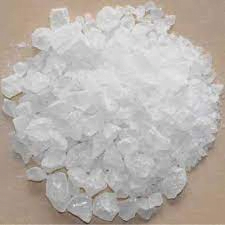
4-CL-PVP Crystals
Price range: €23.90 through €79.50 Select options This product has multiple variants. The options may be chosen on the product page