
0
Tryptamines
Tryptamines
Tryptamines represent a fundamental class of indole alkaloids utilised extensively within forensic toxicology, neuropharmacological research, analytical chemistry, pharmaceutical development, and scientific investigation sectors across international markets. This diverse chemical category encompasses simple tryptamines, N,N-dialkyl derivatives, 5-substituted analogues, and complex modified structures that serve critical functions as analytical reference standards for chromatographic method development, mass spectrometry calibration, serotonin receptor studies, and sophisticated chemical identification workflows supporting NPS monitoring programmes, neurotransmitter research, and forensic casework worldwide.
At realchemsupply.com, we maintain professional supply relationships with qualified organisations requiring consistent access to high-purity tryptamine reference materials. Our international B2B procurement infrastructure supports forensic laboratories, research institutions, analytical facilities, universities, and neuropharmacology departments across Europe, North America, Asia-Pacific, Latin America, and other global markets where professional chemical sourcing demands reliability, comprehensive documentation, and supply chain consistency.
What Are Tryptamines?
Overview and Chemical Classification
Tryptamines belong to an indole alkaloid chemical class characterised by an indole ring structure attached to an ethylamine side chain at the 3-position. This versatile scaffold serves as the foundation for numerous biologically significant compounds including neurotransmitters, hormones, and psychoactive substances. The chemical class can be systematically categorised:
Simple Tryptamines
- Tryptamine (unsubstituted parent compound)
- N-methyltryptamine (NMT)
- N,N-dimethyltryptamine (DMT)
- Other mono- and di-alkyl derivatives
N,N-Dialkyltryptamines
- DMT and homologues (DET, DPT, DIPT)
- 4-substituted derivatives (4-HO-DMT, 4-AcO-DMT)
- Complex N-substituted analogues
5-Substituted Tryptamines
- Serotonin (5-hydroxytryptamine, 5-HT)
- 5-methoxytryptamines (5-MeO-DMT, 5-MeO-DIPT)
- 5-hydroxy-N,N-dialkyl derivatives
α-Alkyltryptamines
- α-methyltryptamine (AMT)
- α-ethyltryptamine (AET)
- Substituted α-alkyl analogues
4-Substituted Tryptamines
- Psilocin (4-HO-DMT)
- Psilocybin (4-PO-DMT)
- 4-AcO substituted derivatives
Complex and Modified Tryptamines
- Ergoline derivatives (lysergamides)
- Conformationally constrained analogues
- Heterocyclic modifications
The chemical architecture positions tryptamines as critical substrates for:
- Serotonergic neurotransmission (5-HT₁, 5-HT₂, 5-HT receptors)
- Trace amine-associated receptor (TAAR) interactions
- Melatonergic signalling (MT₁, MT₂ receptors)
- Forensic identification of psychoactive indole alkaloids
- Pharmaceutical research into CNS-active compounds
Professional organisations utilise these materials primarily for:
- Forensic reference standards in comprehensive toxicological screening
- Neurotransmitter research examining serotonergic pharmacology
- Receptor binding studies investigating 5-HT₂A and related receptors
- Metabolite identification in biotransformation studies
- NPS monitoring and emerging substance surveillance
- Structure-activity relationship investigations
- Analytical method development for complex mixture analysis
General Characteristics
Tryptamine reference materials exhibit diverse physicochemical properties:
- Core structure: Indole-3-ethylamine backbone with variable substitution
- Chemical diversity: Range from hydrophilic neurotransmitters to lipophilic psychoactive compounds
- Analytical behaviour: Characteristic indole UV absorption; distinctive mass spectral fragmentation
- Stability considerations: Variable oxidative and photolytic sensitivity; many require cold, dark storage
- Solubility profiles: Generally acidic aqueous soluble (amine protonation); organic solvent soluble as freebase
Industrial and Laboratory Relevance
Forensic Toxicology Laboratories require tryptamine standards for:
- Identification of psychoactive tryptamines in biological specimens
- Differentiation of positional isomers and analogues
- NPS screening for emerging indole alkaloids
- Metabolite profiling and confirmation testing
Neuropharmacology Research Facilities utilise these materials for:
- Serotonin receptor subtype pharmacology (5-HT₁A, 5-HT₂A, 5-HT₂C, 5-HT₇)
- Structure-activity relationship studies
- Mechanism of action investigations
- Comparative binding affinity assessments
Pharmaceutical Research and Development employs tryptamines for:
- CNS drug discovery programmes
- Migraine and headache therapeutic research
- Psychiatric medication development
- Neurotransmitter system modulation studies
Academic Research Institutions conduct investigations including:
- Neurochemical mechanism research
- Synthetic organic chemistry and scaffold development
- Analytical technique innovation
- Graduate training in pharmacology and toxicology
NPS Monitoring Programmes depend on tryptamine standards for:
- Early identification of novel psychoactive substances
- Structural alerts for analogue forecasting
- Epidemiological surveillance and trend analysis
Procurement Considerations
Professional buyers evaluating tryptamine reference materials should assess:
Documentation Integrity: Comprehensive CoA with structural verification via NMR, MS, IR, and appropriate analytical techniques.
Isomeric and Enantiomeric Purity: Critical for forensic applications requiring differentiation of stereoisomers and positional analogues.
Stability Data: Understanding oxidative degradation, particularly for 5-hydroxy and freebase forms; photostability considerations.
Regulatory Status: Varying scheduling across jurisdictions for different tryptamine derivatives.
Types of Products Available
Chemical Subcategories
Simple Tryptamines and Alkyl Derivatives
- Tryptamine base structure
- N-methyl and N-ethyl monoalkyl derivatives
- N,N-dialkyltryptamine standards
4-Hydroxy and 4-Substituted Tryptamines
- Psilocin and related compounds
- Acetoxy and ester derivatives
- Prodrug and metabolite references
5-Substituted Tryptamines
- 5-methoxy series (5-MeO-DMT, 5-MeO-DIPT, 5-MeO-MIPT)
- 5-hydroxy derivatives
- Complex 5-substituted analogues
α-Alkyltryptamines
- α-methyltryptamine (AMT) and analogues
- α-ethyl substituted compounds
- Extended α-chain derivatives
Ergoline and Lysergamide Derivatives
- Lysergic acid derivatives
- Clavine alkaloid references
- Semi-synthetic ergoline standards
Novel and Research Tryptamines
- Emerging NPS indole alkaloids
- Custom synthesis products
- Isotopically labelled analogues
Product Formats
Solid Forms
- Crystalline solids (hydrochloride, fumarate, succinate salts)
- Freebase powders for specific applications
- Standardised solid preparations
Liquid Solutions
- Acidic aqueous solutions for stability
- Methanolic and DMSO preparations
- Multi-component screening mixtures
Reference Standard Classifications
- Certified reference materials with uncertainty values
- Research-grade standards for method development
- Metabolite and impurity references
Availability Considerations
Specific compounds, salt forms, and concentrations vary by regulatory status, synthesis availability, and research demand. Contact realchemsupply.com for current availability.
Industrial and Professional Applications
Forensic Toxicology
Comprehensive Screening
- Identification of DMT and analogues in biological matrices
- Differentiation of psilocin from related compounds
- 5-MeO-DMT and substituted tryptamine confirmation
- Novel tryptamine NPS identification
Casework Applications
- Post-mortem toxicology investigations
- Impaired driving cases involving psychoactive substances
- Drug-facilitated crime analysis
- Seized material identification
Neuropharmacology Research
Serotonin Receptor Pharmacology
- 5-HT₂A receptor binding and functional studies
- 5-HT₁A autoreceptor investigations
- 5-HT₂C and 5-HT₇ receptor subtype research
- Receptor selectivity profiling
Mechanism of Action Studies
- Signal transduction pathway investigations
- Second messenger system modulation
- Neural network activity characterisation
Pharmaceutical Development
CNS Drug Discovery
- Serotonergic therapeutic development
- Psychedelic-assisted therapy research
- Migraine treatment optimisation
- Neurotransmitter modulation strategies
Analytical Chemistry
Method Development
- LC-MS/MS assays for trace tryptamine detection
- Chiral separation methods for enantiomers
- Derivatisation strategies for GC-MS analysis
- Immunoassay cross-reactivity evaluation
Academic Research
Neuroscience
- Endogenous tryptamine function (DMT as trace amine)
- Neuroplasticity and receptor modulation
- Consciousness and cognitive research
Chemistry
- Synthetic methodology development
- Structural characterisation techniques
- Degradation pathway investigations
Quality Standards and Procurement Considerations
Product Quality Assessment
Identity and Purity
- Structural confirmation via ¹H NMR, ¹³C NMR, 2D NMR
- High-resolution mass spectrometry (HRMS)
- FT-IR spectroscopy
- Melting point and optical rotation where applicable
Chromatographic Purity
- HPLC-UV/MS purity assessment
- Related substance identification
- Residual solvent analysis
Stability Data
- Accelerated degradation studies
- Photostability testing
- Real-time stability monitoring
Documentation Requirements
Certificates of Analysis
- Comprehensive batch-specific data
- Test methodology descriptions
- Specification compliance statements
Safety Data Sheets
- GHS hazard classification
- Handling and storage precautions
- First aid and emergency measures
Traceability
- Manufacturing history records
- Chain of custody protocols
Product Forms, Packaging, and Storage
Product Forms
Available as high-purity crystalline solids, various salt forms, and standardised solutions depending on compound stability and application requirements.
Packaging
- Primary: Amber glass vials with inert atmosphere
- Secondary: Moisture barrier protection with desiccant
- Tertiary: Secure transport packaging
Storage
- General: -20°C to +4°C, protected from light
- Sensitive compounds: -80°C, minimised air exposure
- Photolytic sensitive: Amber containers, minimal light exposure
Why Choose realchemsupply.com?
- Professional sourcing of diverse tryptamine standards
- International B2B supply infrastructure
- Comprehensive documentation support
- Regulatory compliance guidance
- Bulk and wholesale availability
- Technical consultation services
Industries We Supply
- Forensic toxicology laboratories
- Neuropharmacology research facilities
- Pharmaceutical research and development
- University research departments
- NPS monitoring programmes
- Analytical chemistry services
Global Chemical Supply
International procurement support across Europe, North America, Asia-Pacific, Latin America, Middle East, and Africa with appropriate documentation and regulatory compliance assistance.
Frequently Asked Questions
What are tryptamines?
A chemical class of indole alkaloids based on the tryptamine structure, serving as reference materials for forensic toxicology, neuropharmacology research, and analytical chemistry.
What compounds are included in this category?
Simple tryptamines, N,N-dialkyl derivatives, 4-substituted tryptamines, 5-substituted tryptamines, α-alkyltryptamines, and ergoline derivatives.
Why are tryptamines important for research?
They interact with serotonin receptors and serve as models for understanding neurotransmission, consciousness, and potential therapeutic applications.
How should tryptamine standards be stored?
Generally frozen (-20°C) protected from light and air; specific guidance provided per compound.
Are bulk quantities available?
Subject to specific compound, regulatory status, and commercial requirements.
Does realchemsupply.com supply internationally?
Yes, to qualified professional organisations subject to applicable regulations.
Conclusion
Tryptamines represent a fundamental chemical class essential for neuropharmacology research, forensic toxicology, and pharmaceutical development. realchemsupply.com provides professional international supply of high-purity tryptamine reference standards with comprehensive documentation.
Contact us for wholesale enquiries, technical consultation, and supply partnerships.
Showing 1–16 of 22 results
-
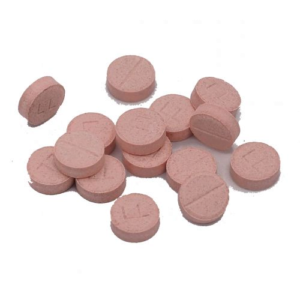
4-AcO-MET Pellets – 20mg
Price range: €25.00 through €299.00 Select options This product has multiple variants. The options may be chosen on the product page -
4-AcO-MET Powder
Price range: €80.00 through €350.00 Select options This product has multiple variants. The options may be chosen on the product page -
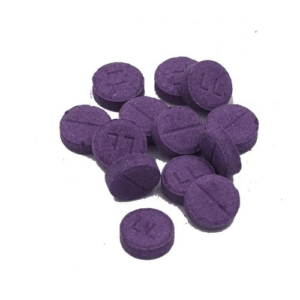
4-HO-MET Pellets – 20mg
Price range: €25.00 through €300.00 Select options This product has multiple variants. The options may be chosen on the product page -
4-HO-MiPT Pellets – 20mg
Price range: €24.75 through €250.00 Select options This product has multiple variants. The options may be chosen on the product page -
5-Bromo-DMT Powder
Price range: €70.00 through €250.00 Select options This product has multiple variants. The options may be chosen on the product page -
5-MeO-DALT Powder
Price range: €65.00 through €250.00 Select options This product has multiple variants. The options may be chosen on the product page -
5-MeO-DiPT Powder
€50.00 Add to cart -
5-MeO-DMT Powder (Freebase)
Price range: €27.50 through €900.00 Select options This product has multiple variants. The options may be chosen on the product page -
5-MeO-DMT Powder (Fumarate)
Price range: €35.00 through €350.00 Select options This product has multiple variants. The options may be chosen on the product page -
5-MeO-DMT Powder (Hydrochloride)
Price range: €35.00 through €350.00 Select options This product has multiple variants. The options may be chosen on the product page -
5-MeO-MiPT Pellets – 15mg
Price range: €34.95 through €399.00 Select options This product has multiple variants. The options may be chosen on the product page -
5-MeO-MiPT Powder
€60.00 Add to cart -
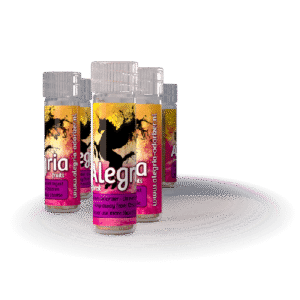
Alegria Forest Fruits
Price range: €49.75 through €439.50 Select options This product has multiple variants. The options may be chosen on the product page -
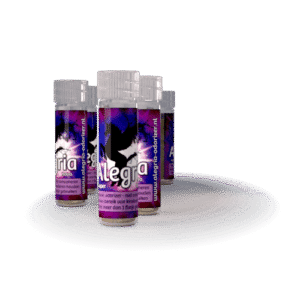
Alegria Super Nova
Price range: €49.75 through €439.50 Select options This product has multiple variants. The options may be chosen on the product page -
AMT Powder
Price range: €64.00 through €1,000.00 Select options This product has multiple variants. The options may be chosen on the product page -
Blue Bliss Pellets 80mg 5MAPB / 20mg 2FMA / 2mg 5-MeO-MiPT
Price range: €39.75 through €590.00 Select options This product has multiple variants. The options may be chosen on the product page