
0
Fat Loss (Cutting)
Fat Loss (Cutting) Research Chemicals
Professional Metabolic Modulator Reference Standards for Global Research & Laboratory Applications
Fat loss (cutting) research chemicals encompass a category of metabolic modulators, PPAR agonists, Rev-Erb ligands, and energy expenditure compounds utilised as analytical reference standards in metabolic research, obesity studies, exercise physiology, and cellular energy metabolism investigations. These research chemicals—including PPARδ agonists, mitochondrial modulators, and thermogenic compounds—serve critical functions in laboratories investigating lipid oxidation, metabolic flexibility, and energy homeostasis across Europe, North America, Asia-Pacific, and international professional markets.
At realchemsupply.com, we supply high-purity metabolic research chemicals manufactured to stringent industrial specifications for qualified research institutions, universities, pharmaceutical developers, and analytical laboratories worldwide. Our international B2B chemical supply infrastructure supports scientific investigation into metabolic pathways, adipose tissue biology, and exercise-induced adaptations with consistent quality, documented specifications, and professional procurement standards.
What Are Fat Loss (Cutting) Research Chemicals?
Chemical Classification and Overview
Fat loss research chemicals comprise diverse structural classes of metabolic modulators investigated for their effects on lipid metabolism, energy expenditure, and metabolic homeostasis. These compounds are utilised exclusively for laboratory research and analytical applications, not for human consumption or therapeutic use.
Primary Chemical Classes:
PPAR Agonists (Peroxisome Proliferator-Activated Receptor):
- PPARδ (delta) selective agonists for fatty acid oxidation research
- PPARα/γ dual agonists for metabolic syndrome studies
- Structural analogues of endogenous fatty acid ligands
Rev-Erb Ligands:
- Rev-Erbα/β agonists for circadian rhythm and metabolism research
- Synthetic porphyrin derivatives and analogues
- Compounds investigating metabolic clock mechanisms
Mitochondrial Modulators:
- Uncoupling protein activators and mitochondrial uncouplers
- Electron transport chain modulators
- ATP synthase inhibitors for metabolic research
Thermogenic Research Compounds:
- β-adrenergic receptor agonists for lipolysis studies
- Thyroid hormone mimetics and metabolites
- Sympathetic nervous system modulators
SARMs (Selective Androgen Receptor Modulators):
- Tissue-selective androgen receptor ligands for muscle preservation research
- Non-steroidal androgen receptor modulators
- Compounds investigating anabolic-catabolic balance
Research and Scientific Relevance
Metabolic research chemicals serve essential functions within professional scientific workflows:
- Metabolic Disease Research: Investigation of obesity, diabetes, and metabolic syndrome pathways
- Exercise Physiology Studies: Research into exercise-induced metabolic adaptations and mitochondrial biogenesis
- Adipose Tissue Biology: Studies on white and brown adipose tissue differentiation and function
- Pharmaceutical Development: Lead optimisation for metabolic disorder therapeutics
- Cellular Energy Research: Investigation of AMPK, mTOR, and energy sensing pathways
Professional organisations source these materials through qualified B2B chemical suppliers to ensure batch consistency, documented purity, and regulatory compliance for research reproducibility.
Procurement Considerations
When sourcing metabolic research chemicals, professional buyers evaluate:
- Specification Documentation: Comprehensive analytical data including HPLC purity, NMR confirmation, and high-resolution mass spectrometry
- Structural Verification: Capability to distinguish between structural analogues and isomers
- Batch Consistency: Reproducible quality across multiple orders for longitudinal metabolic studies
- Storage Stability: Light, moisture, and temperature sensitivity requiring appropriate packaging
- Regulatory Documentation: Compliance with research chemical regulations and institutional biosafety requirements
Real Chem Supply provides Certificates of Analysis, Safety Data Sheets, and stability data suitable for laboratory accreditation standards including ISO/IEC 17025 requirements.
Types of Fat Loss Research Chemicals Available
PPAR Research Compounds
PPARδ Agonists:
- GW-501516 (Cardarine) analogues and derivatives for fatty acid oxidation research
- Selective PPARδ ligands for metabolic flexibility studies
- Reference standards for lipid metabolism assays
PPAR Pan-Agonists:
- Dual and pan-PPAR activators for comprehensive metabolic research
- Compounds investigating PPAR cross-talk and signalling
Rev-Erb Research Ligands
Rev-Erbα/β Agonists:
- SR9009 (Stenabolic) and SR9011 analogues for circadian-metabolic research
- Synthetic ligands investigating Rev-Erb nuclear receptor function
- Compounds for metabolic clock and circadian rhythm studies
Porphyrin Derivatives:
- Endogenous and synthetic porphyrin analogues
- Haem-based Rev-Erb ligands for structure-activity studies
Mitochondrial Research Modulators
Uncoupling Agents:
- Chemical uncouplers for mitochondrial respiration research
- Protonophores investigating ATP production and heat generation
- Reference compounds for metabolic flux analysis
Mitochondrial Biogenesis Activators:
- Compounds investigating PGC-1α activation
- SIRT1 activators for mitochondrial research
Thermogenic and Lipolytic Research Compounds
β-Adrenergic Research Agonists:
- Selective β-agonists for lipolysis mechanism studies
- Compounds investigating adrenergic receptor subtypes in adipose tissue
Thyroid Hormone Analogues:
- T3 (triiodothyronine) and T4 research standards
- Thyromimetic compounds for metabolic rate research
SARMs for Body Composition Research
Muscle Preservation Compounds:
- Ostarine (MK-2866) and related analogues for catabolic state research
- Ligandrol (LGD-4033) for tissue-selective androgen studies
- Research compounds investigating muscle-atrophy prevention
Tissue-Selective Modulators:
- Non-steroidal androgen receptor ligands
- Compounds for anabolic-catabolic balance research
Availability depends on specific compound, regulatory status, and synthesis requirements. Professional buyers should confirm current specifications with realchemsupply.com.
Industrial and Professional Applications
Metabolic Disease Research
Obesity and Diabetes Studies:
- Investigation of insulin sensitivity and glucose uptake mechanisms
- Research into adipocyte differentiation and function
- Studies on metabolic flexibility and substrate oxidation
Non-Alcoholic Fatty Liver Disease (NAFLD):
- Hepatic lipid metabolism research
- Investigation of steatosis and fibrosis mechanisms
- Compounds for liver metabolism studies
Exercise Physiology and Sports Science
Mitochondrial Biogenesis Research:
- Investigation of exercise-induced mitochondrial adaptations
- PGC-1α activation and downstream signalling studies
- Research into endurance capacity mechanisms
Metabolic Adaptation Studies:
- Investigation of caloric restriction and fasting mimetic compounds
- Research into ketogenesis and fatty acid oxidation
- Studies on metabolic switching and flexibility
Pharmaceutical Development
Lead Optimisation:
- Structure-activity relationship studies for metabolic therapeutics
- Pharmacokinetic and pharmacodynamic investigations
- Preclinical metabolic compound screening
Target Validation:
- Proof-of-concept studies for novel metabolic targets
- Mechanism of action investigations
- Off-target effect profiling
Cellular and Molecular Biology
AMPK and mTOR Research:
- Investigation of cellular energy sensing pathways
- Research into autophagy and protein synthesis regulation
- Studies on nutrient sensing mechanisms
Adipose Tissue Biology:
- White, beige, and brown adipocyte research
- Investigation of thermogenesis and uncoupling mechanisms
- Studies on adipokine secretion and function
All applications are conducted within appropriate professional frameworks, with strict adherence to institutional biosafety guidelines, chemical hygiene protocols, and applicable research regulations. These compounds are supplied exclusively for laboratory research, not for human consumption, therapeutic use, or in vivo administration outside approved research protocols.
Quality Standards and Procurement Considerations
Product Quality Evaluation
Analytical Documentation:
- High-performance liquid chromatography (HPLC) purity determination with UV or MS detection
- Proton (¹H) and carbon-13 (¹³C) NMR spectroscopic confirmation
- High-resolution mass spectrometry (HRMS) with accurate mass measurement
- Fourier-transform infrared (FT-IR) spectral verification
- Chiral purity assessment for enantiomeric compounds
Structural Verification:
- Chromatographic retention time differentiation from structural analogues
- Mass spectrometric fragmentation pattern analysis
- UV-Vis spectroscopic confirmation where applicable
Supply Chain Reliability
International chemical procurement requires evaluation of:
- Inventory Management: Consistent availability for ongoing metabolic research programmes
- Lead Time Transparency: Realistic synthesis and shipping schedules
- Communication Standards: Technical support for analytical and regulatory enquiries
- Order Fulfilment: Accurate picking, appropriate packaging, and complete documentation
Documentation and Compliance
Professional buyers require comprehensive paperwork:
- Safety Data Sheets (SDS): Hazard classification, handling precautions, and emergency procedures
- Certificates of Analysis (CoA): Batch-specific analytical results with specification compliance
- Research Use Declarations: Explicit documentation for laboratory research applications only
- Chain of Custody: Documentation supporting research laboratory accreditation
International Logistics Considerations
Cross-border procurement involves:
- Customs Classification: Accurate HS code assignment for research chemicals
- Transport Regulations: Compliance with dangerous goods requirements where applicable
- Import Documentation: End-use certificates and research institution verification
- Regulatory Verification: Confirmation of recipient authorisation for research chemical procurement
Buyers should verify applicable import, export, customs, and transport regulations in their jurisdiction before ordering. Research chemicals are subject to varying degrees of regulatory control internationally.
Product Forms and Specifications
Solid Research Standards
Crystalline Materials:
- Well-defined crystal morphology for X-ray crystallography
- High chemical purity (>98% typical)
- Characterised melting point and thermal properties
Amorphous Powders:
- Homogeneous particle size distribution
- Enhanced surface area for dissolution studies
- Professional packaging with desiccant
Salt Forms:
- Hydrochloride, citrate, or other pharmaceutically relevant salts
- Free-base forms for lipophilicity studies
- Defined stoichiometry for quantitative applications
Liquid and Solution Forms
Prepared Analytical Solutions:
- Pre-dissolved in DMSO, ethanol, or aqueous buffers
- Concentration-verified by quantitative analytical techniques
- Amber glass packaging with inert atmosphere
Suspensions and Formulations:
- Specialised preparations for specific research applications
- Nanoemulsion formulations for bioavailability studies
Custom and Bulk Options
Scale and Specification:
- Milligram to gram quantities for analytical work
- Multi-gram for high-throughput screening
- Custom synthesis for novel analogues
Specialised Requirements:
- Isotopically labelled compounds for metabolic tracking
- Deuterated analogues for quantitative mass spectrometry
- GMP-grade materials where applicable
Availability depends on specific compound, synthesis complexity, and regulatory considerations. Professional buyers should confirm current specifications with realchemsupply.com.
Packaging and Supply Solutions
Standard Laboratory Packaging
Primary Containers:
- Amber borosilicate glass vials (10 mL, 20 mL)
- HDPE containers for bulk solids
- Inert atmosphere packaging for oxygen-sensitive compounds
- Desiccant inclusion for moisture-sensitive materials
Secondary Packaging:
- Light-blocking and moisture-barrier materials
- Tamper-evident seals
- Temperature monitoring for thermally sensitive compounds
Commercial and Bulk Packaging
Multi-Gram Containers:
- Screw-cap amber bottles
- Vacuum-sealed packaging for stability
- Batch-coded for traceability
Custom Packaging:
- Glovebox-compatible containers
- Single-use aliquots for GLP laboratories
- Automated dispensing compatibility
Packaging specifications vary by compound properties, quantity, and customer requirements.
Storage and Handling Guidelines
General Storage Conditions
Environmental Controls:
- Temperature: -20°C to +8°C for long-term stability (typical)
- Light protection: Amber containers or foil wrapping
- Humidity: Low humidity environment with desiccant
- Atmosphere: Inert gas (nitrogen/argon) for oxidation-sensitive compounds
Container Management:
- Maintain sealed closures when not in use
- Minimise freeze-thaw cycles for solutions
- First-in-first-out inventory rotation
Workplace Safety Protocols
Personal Protective Equipment:
- Laboratory coats, safety glasses, chemical-resistant gloves
- Respiratory protection for powder handling
Engineering Controls:
- Fume hood usage for weighing and preparation
- Local exhaust ventilation
Documentation:
- Batch record maintenance
- Storage condition monitoring
Professional users must consult applicable Safety Data Sheets. Storage and handling must comply with institutional biosafety and chemical safety regulations.
Why Source Fat Loss Research Chemicals from realchemsupply.com?
Professional B2B Chemical Sourcing
- Research-grade quality: Materials suitable for metabolic and cellular research
- Comprehensive documentation: Analytical data supporting research reproducibility
- Batch consistency: Reproducible specifications across orders
International Service
Serving research institutions across Europe, North America, Asia-Pacific, and global markets.
Commercial Support
- Responsive communication: Technical consultation on metabolic research applications
- Secure packaging: Professional containers meeting international shipping requirements
- Regulatory guidance: Support for import documentation and compliance
Research Partnership Approach
- Long-term supply relationships: Consistent quality for longitudinal studies
- Technical consultation: Guidance on metabolic research applications
- Regulatory intelligence: Updates on research chemical scheduling
Industries and Organisations We Serve
Academic and Institutional Research
- Universities: Metabolic disease research, exercise physiology, molecular biology
- Research Institutes: Obesity and diabetes research centres
- Medical Schools: Translational metabolic research
Pharmaceutical Development
- Drug Discovery: Metabolic disorder therapeutic development
- Biotechnology: Novel metabolic target investigation
- Contract Research: Metabolic assay development and screening
Analytical and Testing
- Clinical Research: Biomarker and metabolic profiling
- Forensic Laboratories: Doping and sports science research
All customers are qualified research institutions with appropriate credentials and legitimate research purposes.
Global Research Chemical Supply
International Procurement
Real Chem Supply facilitates research chemical procurement for metabolic studies across international borders, with expertise in regulatory compliance and research use documentation.
Regional Markets
Europe: Germany, France, Netherlands, UK, Switzerland, Scandinavia
North America: United States, Canada
Asia-Pacific: Japan, Australia, Singapore, South Korea
Regulatory Navigation
Cross-border supply requires:
- Research end-use verification
- Institutional credentials confirmation
- Import/export documentation
- Dangerous goods compliance where applicable
Showing 1–16 of 18 results
-
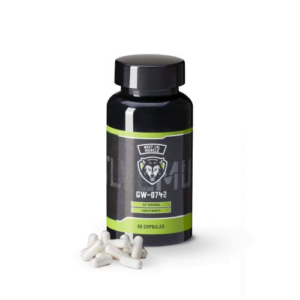
buy GW-0742 capsules
€60.00 Add to cart -
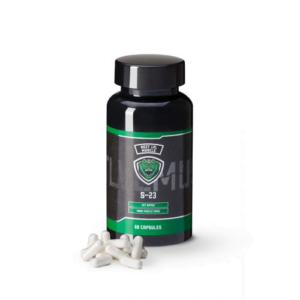
Buy S-23 Capsules
€40.00 Add to cart -
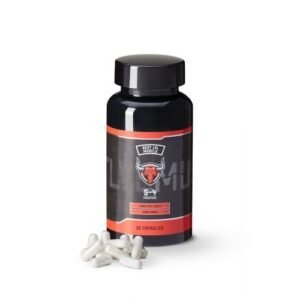
Buy S-4 (Andarine) Capsules
€38.00 Add to cart -
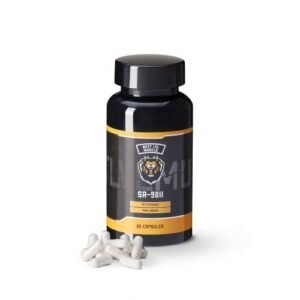
Buy SR-9011 Capsules
€40.00 Add to cart -
GW-0742 Powder
€40.00 Add to cart -
GW-501516 (Cardarine) Capsules
€38.00 Add to cart -
GW-501516 Powder
€20.00 Add to cart -
MK-677 (Ibutamoren) Capsules
€43.00 Add to cart -
MK-677 Powder (Istobal/Nutrobal)
€35.00 Add to cart -
RAD-140 Capsules
€45.00 Add to cart -
RAD-140 powder (Testolone)
€40.00 Add to cart -
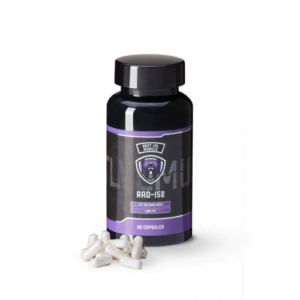
RAD-150 Capsules
€45.00 Add to cart -
RAD-150 Powder
€40.00 Add to cart -
S-23 Powder
€20.00 Add to cart -
S4 Powder (Andarine)
€15.00 Add to cart -
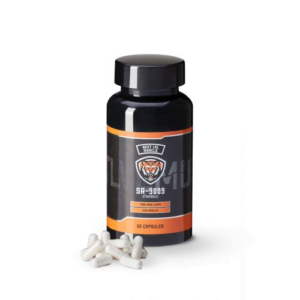
SR-9009 (Stenabolic) Capsules
€35.00 Add to cart