
0
Pentedrone (NEP)
Pentedrone (NEP)
Pentedrone (NEP, N-ethyl-pentedrone, α-methylamino-valerophenone) represents a specialised synthetic cathinone compound utilised extensively within forensic toxicology, analytical chemistry, neuropharmacological research, and scientific investigation sectors across international markets. As a substituted cathinone featuring an N-ethyl modification on the amino group and a pentanoyl aromatic ketone backbone, this compound serves critical functions as an analytical reference standard for chromatographic method development, mass spectrometry calibration, monoamine transporter studies, and sophisticated chemical identification workflows supporting NPS monitoring programmes and forensic casework worldwide.
At realchemsupply.com, we maintain professional supply relationships with qualified organisations requiring consistent access to high-purity substituted cathinone reference materials. Our international B2B procurement infrastructure supports forensic laboratories, research institutions, analytical facilities, universities, and neuropharmacology departments across Europe, North America, Asia-Pacific, Latin America, and other global markets where professional chemical sourcing demands reliability, comprehensive documentation, and supply chain consistency.
What Are Pentedrone Products?
Overview and Chemical Classification
Pentedrone belongs to the synthetic cathinone chemical class, a category of substituted phenethylamines structurally related to cathinone, the naturally occurring stimulant found in Catha edulis. These materials feature a characteristic β-ketoamphetamine backbone with various substitutions at the phenyl ring, α-carbon, and nitrogen terminal positions. The N-ethyl substitution distinguishes NEP from the parent pentedrone compound, while the pentanoyl side chain provides distinct physicochemical and analytical properties within the broader substituted cathinone family.
The chemical architecture positions pentedrone within the category of monoamine transporter-interacting compounds, where structural modifications influence binding profiles, metabolic pathways, and analytical detection parameters. Professional organisations utilise these materials primarily for:
- Forensic reference standards in seized substance analysis and identification
- Toxicological screening method validation for biological matrices
- Monoamine transporter binding studies examining dopamine, norepinephrine, and serotonin interactions
- Chromatographic retention studies in method development
- Mass spectrometry library development and compound confirmation
- Research applications examining structure-activity relationships within the cathinone scaffold
- Metabolite identification supporting biotransformation studies
General Characteristics
Substituted cathinone reference materials such as pentedrone exhibit characteristic physical and chemical properties relevant to professional handling and analytical applications:
- Molecular structure: β-ketoamphetamine core with pentanoyl phenyl ketone and N-ethyl substitution
- Chemical class: Synthetic cathinone / substituted phenethylamine
- Analytical behaviour: Distinctive chromatographic retention times and mass spectral fragmentation patterns suitable for definitive identification via LC-MS/MS and GC-MS
- Stability considerations: Variable stability depending on environmental conditions, requiring appropriate storage protocols
- Solubility characteristics: Soluble in common organic solvents including methanol, acetonitrile, and dimethyl sulfoxide for analytical preparation
Industrial and Laboratory Relevance
Professional organisations source substituted cathinone reference standards for several critical workflow applications:
Forensic Toxicology Laboratories require certified reference materials for:
- Emerging substance identification in post-mortem and workplace toxicology casework
- Differentiation of structurally similar cathinone derivatives
- Cross-reactivity assessment for immunoassay screening platforms
- Confirmation testing via high-resolution mass spectrometry methodologies
- Metabolite identification supporting exposure confirmation
NPS Monitoring Programmes depend on consistent access to:
- Reference materials for legislative scheduling assessments and policy development
- Proficiency testing samples for laboratory accreditation maintenance
- Standardised compounds for inter-laboratory comparison and harmonisation studies
- Characterised materials for epidemiological surveillance and trend monitoring
Neuropharmacology Research Facilities utilise these materials for:
- Monoamine transporter binding affinity studies (DAT, NET, SERT)
- Structure-activity relationship investigations
- Comparative pharmacology with other cathinone and amphetamine compounds
- Mechanism of action studies in cellular assays
Analytical Chemistry Facilities employ reference standards for:
- Method development and validation for novel psychoactive substance detection
- Quality control standard preparation and instrument calibration
- Research into analytical technique optimisation for cathinone compounds
- Training and competency assessment for forensic analysts
University Research Departments conduct investigations including:
- Synthetic organic chemistry and structural elucidation projects
- Spectroscopic characterisation studies (NMR, IR, UV-Vis, mass spectrometry)
- Graduate-level analytical chemistry and forensic science training
- Collaborative research with forensic institutions and monitoring programmes
Procurement Considerations
Professional buyers evaluating substituted cathinone reference materials should assess:
Documentation Integrity: Certificates of Analysis (CoA) demonstrating batch-specific purity, identity confirmation via multiple orthogonal analytical techniques, and analytical methodology employed for quality verification.
Supply Consistency: Reliable sourcing ensuring batch-to-batch reproducibility for longitudinal monitoring programmes and method validation requiring standardised reference materials.
Storage Stability: Understanding degradation pathways, oxidative sensitivity, and appropriate storage protocols to maintain analytical integrity.
Regulatory Compliance: Verification that procurement, possession, and utilisation align with applicable jurisdictional regulations governing research chemicals, forensic reference materials, and controlled substance analogues.
Types of Products Available
Product Formats
Pentedrone and related substituted cathinone reference materials may be available in various formats:
Solid Forms
- Powder: Fine crystalline or amorphous powder suitable for precise gravimetric preparation
- Crystals: Crystalline solid forms potentially offering enhanced stability
- Salts: Hydrochloride or other acid addition salts modifying solubility and handling
Liquid Preparations
- Solutions: Pre-dissolved preparations in analytical-grade solvents
- Concentrated stocks: High-concentration solutions requiring dilution
Reference Standard Preparations
- Certified reference materials: Comprehensive documentation and traceability
- Research-grade standards: High-purity materials for method development
Availability Considerations
The exact product form, formulation, specification, packaging, and availability depend on the individual product and current inventory. Contact realchemsupply.com to confirm specific configurations.
Industrial and Professional Applications
Forensic Toxicology and NPS Monitoring
Forensic Laboratories utilise pentedrone reference materials for:
- Post-mortem toxicology screening and confirmation
- Workplace drug testing method validation
- Driving under influence investigations
- Seized material analysis and identification
NPS Surveillance Programmes employ these materials for:
- Epidemiological monitoring of cathinone emergence
- Early warning system support
- Policy development and legislative scheduling
Neuropharmacology Research
Research Institutions investigate:
- Monoamine transporter pharmacology (DAT, NET, SERT)
- Structure-activity relationships within cathinone class
- Comparative stimulant pharmacology
- Mechanism of action studies
University Departments conduct:
- Receptor binding assays
- Neurochemical mechanism research
- Graduate training in neuropharmacology
- Collaborative industry research
Analytical Chemistry
Commercial Laboratories perform:
- Toxicology screening panel development
- Custom method development for biological matrices
- Cross-reactivity studies with immunoassays
- Quality control and proficiency testing
Quality Standards and Procurement Considerations
Product Quality Assessment
- Purity Specifications: Determined by HPLC-UV, qNMR, or equivalent
- Identity Confirmation: NMR, HRMS, IR spectroscopy verification
- Batch Consistency: Reproducible specifications across production
- Impurity Profiles: Understanding related substances and residuals
Documentation Requirements
- Safety Data Sheets (SDS): GHS classification and handling guidance
- Certificates of Analysis (CoA): Batch-specific analytical results
- Traceability: Chain of custody documentation
Supply Chain Reliability
- Sourcing transparency and quality systems
- Inventory management and availability
- Technical support responsiveness
- Order fulfilment reliability
International Logistics
- Import/export regulatory compliance
- Customs documentation and clearance
- Transport regulations adherence
- Storage condition maintenance
Product Forms, Packaging, Storage
Product Forms
Powder, crystalline solid, salts, and standard solutions available depending on product specifications.
Packaging Options
- Small-scale: 10 mg to 500 mg in amber glass vials
- Medium-scale: 1 g to 25 g for laboratory applications
- Bulk: Subject to availability and commercial agreements
Storage and Handling
- Recommended storage: -20°C to +4°C protected from light
- Properly sealed containers to prevent degradation
- Consult SDS for specific handling requirements
- Follow workplace chemical-safety procedures
Why Choose realchemsupply.com?
Professional Chemical Sourcing
Established manufacturer relationships for high-purity substituted cathinone compounds.
International B2B Service
Supporting customers across Europe, North America, Asia-Pacific, Latin America, Middle East, and Africa.
Bulk and Wholesale Procurement
Volume pricing, scheduled deliveries, and custom specifications available.
Professional Support
Technical consultation, regulatory guidance, and comprehensive documentation.
Industries We Supply
- Forensic toxicology laboratories
- Pharmaceutical research facilities
- University research departments
- Analytical chemistry services
- NPS monitoring programmes
- Quality control laboratories
Global Chemical Supply
International sourcing capabilities with cross-border procurement support, export documentation, customs guidance, and regional market coverage across major global markets.
Global Location-Based
Major Markets
Europe: Germany, France, Netherlands, UK, Spain, Italy, Switzerland, Belgium, Sweden, Austria, Poland, Denmark, Ireland, Norway, Finland
North America: USA, Canada, Mexico
Asia-Pacific: Australia, Japan, South Korea, Singapore, India, New Zealand, China, Thailand, Malaysia
Middle East and Africa: UAE, Saudi Arabia, Israel, South Africa, Nigeria, Kenya, Egypt
Latin America: Brazil, Argentina, Chile, Colombia, Peru
Frequently Asked Questions — Global FAQ
What are pentedrone products?
Pentedrone (NEP) products are synthetic cathinone reference materials for forensic toxicology, neuropharmacology research, and analytical chemistry applications.
Who purchases pentedrone reference materials?
Qualified purchasers include forensic laboratories, research institutions, universities, analytical services, and NPS monitoring programmes.
Are bulk quantities available?
Bulk quantities may be available depending on synthesis capacity and commercial requirements. Contact for specific enquiries.
What distinguishes NEP from other cathinones?
The N-ethyl substitution and pentanoyl side chain provide distinct pharmacological and analytical properties requiring specific identification.
How should pentedrone be stored?
Storage at -20°C to +4°C protected from light and moisture. Consult product documentation for specific guidance.
Does realchemsupply.com supply internationally?
Yes, subject to applicable regulations. Buyers should verify import requirements in their jurisdiction.
What documentation is provided?
Certificates of Analysis, Safety Data Sheets, and chain-of-custody documentation.
Can universities purchase for research?
Accredited institutions may purchase for legitimate research subject to approvals and compliance.
How can I request a quotation?
Contact via website enquiry with organisation details, quantities, and intended application.
Conclusion
Pentedrone (NEP) represents a specialised synthetic cathinone reference material essential for forensic toxicology, neuropharmacology research, and analytical chemistry applications. realchemsupply.com provides professional international supply of high-purity substituted cathinone standards with comprehensive documentation and regulatory compliance support.
Contact us for wholesale enquiries, technical consultation, and supply partnerships.
Showing all 2 results
-
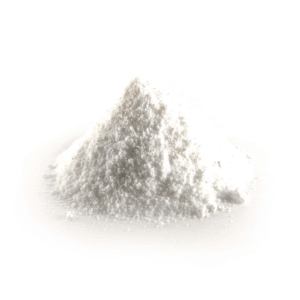
Ethyl Pentedrone Powder
Price range: €27.90 through €3,600.00 Select options This product has multiple variants. The options may be chosen on the product page -
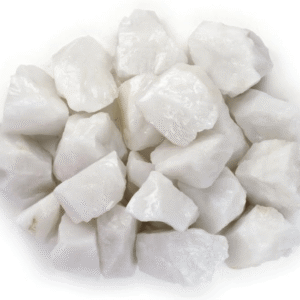
Ethyl-Pentedrone Crystal
Price range: €27.90 through €3,600.00 Select options This product has multiple variants. The options may be chosen on the product page