
0
O-DSMT
O-DSMT
O-DSMT, or O-Desmethyltramadol, stands as a compound of significant pharmacological interest and a critical subject of advanced chemical and medical research. As the primary active metabolite of the widely prescribed analgesic tramadol, O-DSMT offers a more potent and direct interaction with opioid receptors, making it a powerful tool for scientific investigation. For professional organisations—from university pharmacology departments in Germany to forensic laboratories in the United States and pharmaceutical developers in Japan—sourcing high-purity O-DSMT is a fundamental requirement for their sophisticated work. At realchemsupply.com, we are dedicated to serving as a premier international B2B supplier, providing research-grade O-DSMT to qualified institutions, laboratories, and industrial entities across the globe. Our commitment to stringent quality control, comprehensive documentation, and reliable global logistics supports the vital work of our clients who are expanding the frontiers of pain management research, analytical toxicology, and material science.
What Are O-DSMT?
O-DSMT, chemically known as (1R,2R)-2-[(dimethylamino)methyl]-1-(3-phenoxyphenyl)cyclohexanol, is a synthetic opioid analgesic. It is formed in the body through the hepatic metabolism of tramadol via the CYP2D6 enzyme. This metabolic conversion is crucial, as it is O-DSMT, not the parent drug tramadol, that is primarily responsible for tramadol’s potent pain-relieving (analgesic) effects. Its molecular structure is closely related to tramadol but lacks a methyl group on the phenoxy ring, a seemingly minor change that significantly increases its affinity for the μ-opioid receptor and its potency as an analgesic.
The synthesis of O-DSMT for research purposes is a multi-step organic chemical process that typically begins with protected phenol and amine precursors. The final steps involve the careful formation of the cyclohexanol ring and the introduction of the dimethylamino group. This synthesis is complex and requires significant expertise, which is why professional laboratories and research institutions rely on specialised suppliers like realchemsupply.com for consistent, high-quality material.
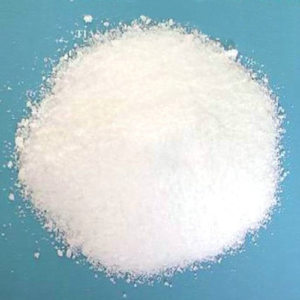
The general characteristics of O-DSMT include its high potency at μ-opioid receptors, estimated to be several times more potent than tramadol itself. It is typically a white to off-white crystalline powder at room temperature. Like many opioid compounds, it is lipophilic, meaning it dissolves readily in lipids and organic solvents but has poor solubility in water. This property is a key area of study for researchers investigating its pharmacokinetic profile, including its ability to cross the blood-brain barrier. Its stability can be affected by factors such as light, heat, and exposure to oxygen, necessitating specific storage conditions to maintain integrity.
The industrial and laboratory relevance of O-DSMT is multifaceted. In pharmaceutical research, it serves as a critical reference standard for developing and validating analytical methods to detect tramadol use and metabolism in clinical and forensic settings. In neuroscience and pharmacology, it is an invaluable tool for studying the mechanisms of opioid analgesia, tolerance, and dependence. This diverse applicability across sectors drives demand from a wide range of professional buyers in countries like France, Canada, and Australia.
Professional organisations source this material not for any therapeutic application, but for its utility as a precise molecular probe and analytical standard. The role of O-DSMT within professional workflows is to provide a reliable, well-characterised tool to study opioid receptor function, screen for drug-drug interactions, and calibrate sensitive analytical equipment. For this work to be valid, the procurement of materials with verified identity and purity is non-negotiable.
The importance of reliable specifications cannot be overstated. A research project’s validity hinges on knowing the exact chemical structure and purity of the O-DSMT being used. Impurities or incorrect stereochemistry can produce confounding data, invalidating months of work. This is why professional buyers at institutions in Switzerland, the UK, and South Korea demand detailed Certificates of Analysis (CoA) and, where applicable, Nuclear Magnetic Resonance (NMR) spectroscopy data from suppliers.
Documentation is equally critical. Beyond the CoA, Safety Data Sheets (SDS) that comply with regional standards like REACH in the European Union or OSHA in the United States are mandatory for workplace safety and regulatory compliance. Traceability information, providing a clear lineage from synthesis to delivery, is also a key procurement consideration for research institutions and pharmaceutical companies.
Supply consistency is a cornerstone of successful long-term research. A project that spans several years requires the same high-quality material from batch to batch. Professional buyers value suppliers who can guarantee this consistency, preventing the need to re-validate experimental protocols with every new shipment. This reliability is a hallmark of a professional B2B relationship.
Finally, appropriate storage and handling are paramount to preserving the integrity of this potent and sensitive compound. O-DSMT typically requires storage in a cool, dark, and dry environment, often in amber glass containers to prevent photodegradation. Professional laboratories have standard operating procedures (SOPs) for handling such potent materials, which includes using appropriate personal protective equipment (PPE) and working in well-ventilated areas or fume hoods, a practice universally upheld in professional settings from Italy to Singapore.
Types of Products Available
The category of O-DSMT, while centred on a single molecular entity, encompasses a variety of physical forms and specifications, each tailored to specific research applications and handling requirements. At realchemsupply.com, we facilitate access to a range of these products, understanding that the specific format is a critical variable in experimental design and industrial application.
The most common physical form for O-DSMT is a fine crystalline or powder solid. This form offers the greatest stability and shelf life, allowing for precise weighing and dosing in laboratory settings. The crystalline structure is often indicative of high purity, and for analytical chemists developing new detection methods, this solid form is the standard reference material. The colour can range from white to off-white, depending on the synthesis pathway and any minor impurities. Professional researchers in cities like Munich and San Francisco rely on this form for its stability and ease of handling in controlled environments.
While less common due to stability and dosing precision issues, some research applications may utilise O-DSMT in a solution form. This format involves the compound being pre-dissolved in a suitable, non-reactive solvent like anhydrous ethanol or methanol at a precise concentration. This is highly convenient for laboratories using automated liquid handling robots or for applications where the absolute accuracy of volumetric dosing is more critical than gravimetric (weight-based) dosing. The availability of a liquid form is entirely dependent on the stability of the compound in solution over time.
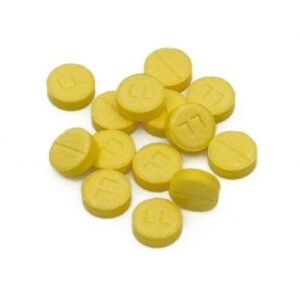
Pellets represent another potential product form, particularly useful for creating standardised doses for specific types of in-vivo research where oral administration to animal models is being studied. Pelleting allows for the incorporation of precise amounts of the active compound into an inert binder, creating a uniform dosage unit. This format requires specialised manufacturing capabilities and is typically developed as a custom solution for specific research programmes rather than being an off-the-shelf product.
For analytical laboratories, the most crucial product type is the reference standard. These are meticulously characterised batches of O-DSMT, with their identity and purity confirmed by multiple analytical techniques (e.g., HPLC, GC-MS, NMR). Reference standards are the benchmarks against which all other samples are measured and are essential for qualitative and quantitative analysis in forensic, clinical, and research settings. The demand for certified reference standards is consistent across all international markets, from toxicology labs in Johannesburg to pharmaceutical QC departments in New Jersey.
Laboratory materials can also include precursors or intermediates relevant to the synthesis of O-DSMT. Research-focused organisations, particularly those in medicinal chemistry, may source these starting materials to conduct their own structure-activity relationship (SAR) studies, creating novel analogues for investigation. The availability of such intermediates is subject to strict regulatory controls and is only provided to qualified institutions with appropriate licenses.
It is vital to understand that the exact product form, formulation, specification, packaging, and availability are entirely dependent on the individual molecule and the supplier’s capabilities. A derivative that is highly unstable might only be available as a reference standard in a sealed ampoule, while a more stable compound might be offered in various powder quantities. Professional buyers must always consult the specific product details and documentation before making a procurement decision. The phrase “subject to availability” is particularly relevant in this specialised category, as synthesis can be complex and lead times may vary.
Industrial and Professional Applications
The applications for O-DSMT within professional and industrial settings are diverse, scientifically demanding, and strictly focused on research, development, and analytical control. Its unique pharmacological profile as a potent opioid metabolite makes it an invaluable tool for advancing knowledge in pharmacology, toxicology, and medicine, with legitimate applications spanning from academic laboratories to industrial manufacturing.
In chemical manufacturing, O-DSMT serves as a key intermediate or target molecule in the synthesis of more complex pharmacological agents. Pharmaceutical companies in countries like Ireland and India utilise this compound as a building block in their quest to develop novel analgesics with improved efficacy and reduced side-effect profiles. The precise molecular structure of O-DSMT makes it an excellent starting point for medicinal chemists aiming to create new entities that selectively target opioid receptors without the high potential for dependence associated with traditional opioids. The work is highly technical, focusing on molecular pathways, receptor affinity, and metabolic stability.
Laboratory research represents the core application area for O-DSMT. University research groups, such as those at prestigious institutions in the Netherlands and Italy, use this compound to probe the function of the μ-opioid receptor and related subtypes. By using O-DSMT as a highly specific molecular probe, researchers can study the mechanisms of analgesia, investigate the pathways leading to tolerance and dependence, and screen for compounds that can mitigate these effects. This research is fundamental to advancing our understanding of opioid pharmacology and is conducted with the utmost scientific rigour.
University research extends beyond neuroscience into fields like pharmacokinetics and drug-drug interaction studies. Here, O-DSMT is used to study how the body processes opioid analgesics and how genetic variations in enzymes like CYP2D6 can affect patient response to tramadol. The insights gained from this basic research are the foundation upon which future personalized medicine approaches are built. The procurement of this compound by universities is always for legitimate, institutional research purposes, overseen by ethics committees and conducted in accordance with all applicable regulations.
Scientific research at dedicated institutes, such as the National Institutes of Health in the USA or the French National Institute of Health and Medical Research (INSERM), leverages O-DSMT for large-scale studies into pain management. These institutions have the resources and expertise to conduct sophisticated experiments, from in-vitro receptor binding assays to advanced in-vivo imaging studies in animal models. The data generated from this high-level research contributes to the global scientific understanding of opioid analgesics and informs public health policy.
Analytical laboratories, including forensic toxicology labs and contract research organisations (CROs), require O-DSMT for a critical purpose: method development and validation. They use certified reference standards of this compound to create and calibrate analytical methods, such as liquid chromatography-tandem mass spectrometry (LC-MS/MS), to detect and quantify O-DSMT and its parent drug, tramadol, in biological matrices like blood, urine, or hair. This work is crucial for law enforcement, clinical toxicology, therapeutic drug monitoring, and public health monitoring.
Material science is an emerging field of application. Researchers are exploring the unique molecular properties of opioids like O-DSMT for potential uses in the development of novel drug delivery systems, such as transdermal patches or implantable devices, where the compound’s lipophilicity is a key parameter. While this research is in its early stages, it highlights the broad potential of these complex molecules beyond their traditional role in pharmacological research.
Industrial testing is another key area, particularly for pharmaceutical companies. O-DSMT may be used in the quality control (QC) laboratories of manufacturing facilities to test the purity and identity of intermediates or final products related to tramadol. The stringent requirements of pharmaceutical manufacturing demand highly accurate analytical methods, for which O-DSMT reference standards are indispensable.
Process development within the pharmaceutical industry relies on compounds like O-DSMT to optimise synthesis routes. Chemical engineers and process chemists work to develop efficient, scalable, and safe methods for producing these complex molecules, focusing on yield, purity, and cost-effectiveness. This work is essential for translating promising research compounds into potential commercial products.
Product development teams in the biotech and pharmaceutical sectors use O-DSMT as part of their screening libraries. They test thousands of compounds, including various opioid analogues, against specific biological targets to identify candidates with therapeutic potential. This high-throughput screening is a fundamental part of modern drug discovery.
Commercial manufacturing of any opioid-based pharmaceutical would require sourcing large quantities of the active ingredient or its metabolites for testing. While tramadol is a widely manufactured drug, the need for its metabolite, O-DSMT, arises in the context of developing extended-release formulations or novel delivery systems, where understanding the metabolite’s profile is crucial.
Industrial processing and formulation are critical steps. A pure O-DSMT powder is not a finished product. It must be formulated into a stable, deliverable dosage form if it were to be part of a therapeutic. This formulation science is a complex field in its own right, requiring expertise in chemistry, biology, and engineering.
Finally, research and development (R&D) teams across all these sectors—academic, industrial, and governmental—are the end users. Their goal is to generate new knowledge and new intellectual property. The O-DSMT they source from suppliers like realchemsupply.com is the essential tool that enables their innovation in the critical field of pain management.
Quality Standards and Procurement Considerations
For professional organisations dealing with O-DSMT, the procurement process is a critical component of their quality management system, directly impacting the validity of their research, the safety of their operations, and their compliance with a complex web of international regulations. A thorough evaluation of potential suppliers is therefore not just good practice—it is a professional necessity.
Product quality is the paramount consideration. For O-DSMT, this purity is typically expressed as a percentage, with research-grade materials often exceeding 98% purity. However, quality is more than just a number. It encompasses the identity of the compound, the absence of specific known impurities or synthesis by-products, and the consistency of these parameters from batch to batch. For a potent compound like O-DSMT, the correct stereochemistry (the (1R,2R) isomer) is also critical. Professional buyers at leading research institutions in Sweden or industrial firms in Mexico will demand a detailed Certificate of Analysis (CoA) with each shipment, verifying these specifications through analytical methods like High-Performance Liquid Chromatography (HPLC).
Batch consistency is the cornerstone of reproducible science. A long-term research project spanning several years cannot afford to have its results confounded by variations in the material supplied. Professional buyers value suppliers who implement rigorous quality control and can demonstrate a history of consistent production. This reliability allows researchers to compare data from experiments conducted months or even years apart, secure in the knowledge that the key reagent has not changed.
Reliable sourcing is about more than just consistent quality; it’s about supply chain resilience. Can the supplier deliver the required quantity on a reliable schedule? Do they have contingency plans for raw material shortages or production disruptions? For organisations planning critical research milestones or manufacturing campaigns, a supplier’s ability to guarantee supply is as important as the quality of the material itself.
Professional packaging is a critical, often overlooked, aspect of quality. O-DSMT is typically sensitive to light, heat, and moisture. Appropriate packaging—usually amber glass vials with PTFE-lined caps, often sealed within a secondary foil-lined container—is essential to protect the product during transit and storage. For international shipments, packaging must also be robust enough to withstand long journeys and comply with complex transportation regulations for controlled substances.
Supply-chain reliability is intertwined with sourcing. It involves transparency from the supplier regarding their manufacturing capabilities, inventory levels, and potential lead times. A professional B2B relationship is built on honest communication about these factors. Realchemsupply.com, as an international supplier, understands that customers in countries like Poland or Canada need accurate information to plan their procurement and research activities effectively.
Quality assurance procedures are the internal processes a supplier uses to guarantee quality. This includes everything from the qualification of raw material suppliers to the in-process controls during synthesis and the final product testing and release procedures. Professional buyers may ask for information about a supplier’s QA system as part of their vetting process.
Product specifications must be clear, detailed, and unambiguous. They should cover the chemical name (including isomerism), CAS number, structural formula, physical appearance, purity, identification methods, and storage conditions. For O-DSMT, specifications regarding residual solvents and heavy metals may also be critical, depending on the intended application.
Documentation is the tangible proof of quality. This includes the aforementioned CoA, but also the Safety Data Sheet (SDS), which must be compliant with the regulations of the destination country. For research institutions, a comprehensive technical data sheet and, where available, peer-reviewed literature on the compound’s properties are also highly valued.
SDS availability is a legal and safety requirement. The SDS must be provided in the appropriate language and format for the user’s country, for example, in French for a laboratory in Paris or in German for a facility in Frankfurt. It provides critical information on handling, storage, first-aid, and accidental release measures.
Certificates of Analysis (CoA) are the batch-specific passport for a chemical. They provide the actual analytical results for the specific batch being supplied. Professional buyers will scrutinise the CoA, checking that the methods used are appropriate and that the results meet their stringent acceptance criteria.
Traceability, while not always explicitly requested, underpins confidence in a supplier. The ability to trace a specific batch back to its raw materials and synthesis records is a mark of a highly professional operation. This is especially important for organisations operating in highly regulated industries.
Appropriate labelling is a fundamental safety and regulatory requirement. Labels must be durable, legible, and contain all necessary hazard information, including pictograms, signal words, and hazard statements, in accordance with the Globally Harmonized System (GHS).
Inventory consistency is a supplier-side consideration that greatly benefits the customer. A supplier that maintains a well-managed inventory can ensure faster delivery times and more consistent product, as the material is not being produced on an ad-hoc basis.
Supplier communication is the human element of procurement. Professional buyers value suppliers who are responsive, technically knowledgeable, and proactive. Being able to discuss a technical query with a knowledgeable representative or receiving timely updates on an order’s status builds trust and facilitates a smooth procurement process.
Order fulfilment capability encompasses the entire process from order placement to delivery. It includes the efficiency of the ordering system, the accuracy of order picking, the speed of dispatch, and the reliability of the chosen shipping carrier.
International logistics considerations are complex. They include not just the physical shipping but also the export and import compliance. A supplier must correctly classify the product for customs, provide all necessary documentation, and use carriers licensed to transport chemical goods. Professional buyers in countries like the UAE or Australia rely on their supplier’s expertise to navigate this complexity, especially given the controlled status of many opioid compounds.
Ultimately, professional buyers must review all relevant product documentation before making a purchase. The onus is on them to ensure the material meets their specific requirements and that they can handle, store, and use it in compliance with all local regulations and institutional policies.
Product Forms
O-DSMT, while a single chemical entity, is made available in several distinct physical forms to accommodate the varied workflows and technical requirements of professional laboratories and research institutions. The choice of form is a deliberate decision made by the researcher or procurement manager, based on the specific demands of their application, the equipment available, and the stability considerations of the compound itself.
The predominant form is powder. This typically refers to a fine, crystalline solid that offers the highest stability and shelf life. The powder form is ideal for traditional research settings where precise weighing using analytical balances is the standard method for dose preparation. It allows for maximum flexibility, as researchers can accurately prepare solutions of any desired concentration. For analytical chemists in forensic labs in cities like London or Tokyo, the powder form of a reference standard is the gold standard for method development and calibration.
Crystals are essentially a more structurally ordered version of powder. A product specified as “crystalline” implies a higher degree of purity and structural uniformity, which can be important for certain types of physical chemistry research or for use as a primary standard in analytical chemistry. The visual confirmation of well-defined crystals can also be a quick, though not definitive, indicator of quality for an experienced chemist.
Liquid forms of O-DSMT are less common but are available for specific use cases. Typically, this involves the compound being pre-dissolved in a suitable, non-reactive solvent like anhydrous ethanol or methanol. This format is highly convenient for laboratories using automated liquid handling robots or for applications where the absolute accuracy of volumetric dosing is more critical than gravimetric (weight-based) dosing. The availability of a liquid form is entirely dependent on the stability of the specific compound in solution over time.
Pellets are a specialised form where a precise quantity of the O-DSMT powder is compressed with inert binders into a solid, uniform unit. This form is particularly useful in pre-clinical research where oral administration to animal models is part of the study design. Pelleting ensures that each subject receives a consistent, accurate dose without the variability that can come from suspending a powder in a liquid. This is a highly specialised format and is often developed as a custom solution for a specific research project.
Granules are an intermediate form between powder and pellets. They are small, agglomerated particles that flow more freely than a fine powder but are not fully compressed into a hard pellet. This form can be advantageous in certain industrial processes, such as blending in a large-scale mixer, where the handling characteristics of the material are important. It is a less common form but may be requested by process development scientists working on scaling up a synthesis or formulation.
Solutions, as mentioned in the context of liquids, are a form where the compound is already dissolved. This is distinct from a “liquid” form which might simply refer to the compound’s physical state at room temperature. A solution implies a specific concentration, which must be clearly stated and verified. This form is critical for applications requiring high-throughput screening.
Solid is a generic term that encompasses both powders and crystals. When a product form is listed as “solid,” it generally means it is not a liquid or solution at room temperature, but the specific morphology (powder vs. crystal) should be clarified in the product’s detailed specification sheet.
It cannot be overstated that the availability of these different forms is highly dependent on the individual compound. A particularly unstable or reactive derivative might only be available in a sealed ampoule as a solution, while a very stable, well-researched compound like O-DSMT might be offered in multiple forms and quantities. Professional buyers must always refer to the specific product information provided by suppliers like realchemsupply.com to determine the available forms and make an informed choice based on their technical requirements and the compound’s documented stability profile.
Packaging Options
The packaging of O-DSMT is a critical aspect of the product, designed not merely to contain the chemical but to preserve its integrity, ensure its safety during transit, and comply with a myriad of international shipping and handling regulations, especially those concerning controlled substances. Professional suppliers offer a range of packaging options tailored to the quantity, the chemical’s properties, and the destination’s requirements.
For small-scale laboratory research, common packaging sizes include quantities measured in milligrams. For example, 10 mg, 25 mg, or 50 mg of O-DSMT might be supplied in a small, amber glass vial. These vials are typically sealed with a screw cap featuring a PTFE (Teflon) liner to prevent the compound from reacting with the cap itself. The amber glass is crucial for protecting light-sensitive compounds from photodegradation. These small vials are then often placed in a secondary, sealed container, such as a foil bag, for an additional layer of protection against moisture and physical damage.
For larger research projects or multiple studies, mid-range quantities are standard. 100 mg, 250 mg, and 500 mg sizes are common, still typically supplied in amber glass vials, but often larger in size to accommodate the greater volume. As the quantity increases, the importance of proper sealing and secondary packaging becomes even more pronounced to prevent leakage and ensure the product arrives in optimal condition.
For industrial applications, process development, or well-funded research institutions, gram-scale quantities may be required. Packaging for 1 g, 5 g, or larger quantities shifts significantly. Instead of simple vials, the product might be supplied in a larger, heavy-duty amber glass bottle with a secure, sealed cap, or in a high-density polyethylene (HDPE) drum if the compound’s stability permits. For extremely sensitive materials, packaging under an inert atmosphere, such as nitrogen or argon, in a sealed, multi-layer bag within a drum might be necessary to prevent oxidation.
The choice between glass and plastic packaging is a critical consideration. Glass, particularly amber glass, offers superior protection against light and gas permeation but is fragile and heavy. HDPE and other fluorinated polymers are lightweight and shatter-resistant but may be permeable to certain gases or vapors and may not be suitable for all compounds. The decision is based on a thorough understanding of the specific compound’s chemical properties and the logistics of the shipment.
For the most sensitive or high-value materials, specialised packaging is used. This can include hermetically sealed glass ampoules, which must be opened by breaking the neck, providing the ultimate barrier against contamination and atmospheric exposure. Another option is packaging under vacuum or backfilled with an inert gas, which removes reactive oxygen from the headspace of the container.
It is essential to state that packaging formats vary according to product requirements, availability, handling requirements, and customer specifications. A research group in Switzerland conducting highly sensitive receptor binding assays might have different packaging needs than a manufacturing facility in Texas doing process development work.
Where appropriate, professional suppliers will work with customers to provide customised packaging solutions. This could involve using a specific type of vial requested by the customer, providing a particular lot size to fit their inventory system, or using special labelling to integrate with their internal tracking systems. However, these custom solutions are always subject to product availability and must not compromise safety or regulatory compliance.
For customers with ongoing needs, bulk quantities, wholesale orders, and customised packaging solutions are often available upon request. This is a standard service for established B2B relationships. A university in Belgium planning a multi-year study or a CRO in India that requires a steady supply of a reference standard can negotiate a supply agreement that includes specific packaging, delivery schedules, and quality assurance checkpoints. These arrangements are always subject to product availability, the commercial requirements of the supplier, and the compliance needs of both parties.
Storage and Handling
The integrity of O-DSMT and the safety of personnel handling it are dependent on rigorous adherence to proper storage and handling protocols. This compound is potent and often sensitive to environmental factors, requiring a professional approach grounded in chemical safety principles and regulatory compliance. The following guidelines represent best practices for professional environments.
Appropriate cool, dry storage is the universal starting point. A dedicated, temperature-controlled chemical store or refrigerator, typically maintained between 2°C and 8°C, is ideal for most opioid compounds. This cool temperature slows down any potential degradation processes, such as oxidation or hydrolysis. The storage area must be dry, as moisture can promote hydrolysis and lead to the formation of degradation products. For laboratories in humid climates, a dehumidifier in the storage area may be necessary.
Keeping containers properly sealed is a non-negotiable rule. Compounds like O-DSMT are often hygroscopic (absorbing moisture from the air) and sensitive to oxygen. Whenever material is not being actively dispensed, the container must be tightly closed. For compounds supplied in vials with septum caps, syringes should be used to withdraw material to avoid repeatedly opening the cap. For large containers opened frequently, a blanket of inert gas like nitrogen or argon can be used to displace oxygen before resealing.
Protecting products from contamination is paramount. This includes both chemical and physical contamination. Only dedicated, clean spatulas or scoops should be used to handle the powder. Never return unused material to the original container, as this risks introducing contaminants. Work should be conducted in a clean environment, ideally within a fume hood or a laminar flow cabinet, to prevent airborne contaminants from settling on the compound.
Maintaining packaging integrity is crucial for long-term storage. The original amber glass vial and secondary foil packaging are designed to provide optimal protection. If a product must be transferred to a different container, that container should be of equivalent quality—for example, another amber glass vial with a PTFE-lined cap. Clear glass or plastic containers should be avoided as they offer no protection from light. All containers must be clearly and accurately labelled.
Appropriate labelling is a fundamental safety requirement. Every container, whether primary or secondary, must be labelled with the full chemical name, CAS number, concentration (if a solution), and all relevant hazard pictograms and statements as per the GHS. Labels must be durable and legible. For international labs, labels should be in the local language (e.g., German for a lab in Berlin, Japanese for a lab in Osaka).
Following workplace chemical-safety procedures is mandatory. This begins with a thorough risk assessment before the compound is even ordered. Personnel must be trained on the specific hazards of the compound they are handling, including routes of exposure, acute and chronic health effects, and necessary emergency procedures. This training is a legal requirement in most countries and a cornerstone of professional laboratory practice.
Consulting the applicable Safety Data Sheet (SDS) is essential before handling any O-DSMT. The SDS is the definitive source of information on a chemical’s hazards, handling requirements, first-aid measures, and disposal procedures. It must be readily accessible to all personnel. A professional organisation ensures that the SDS provided by the supplier is reviewed and incorporated into their local safety procedures.
Following product-specific handling requirements is critical. While general guidelines apply, some compounds may have unique sensitivities or hazards. This information will be detailed in the technical data sheet or SDS and must be adhered to strictly.
Maintaining suitable environmental conditions extends beyond the storage cupboard. The entire laboratory environment should be controlled. Work with potent compounds should be conducted in a certified chemical fume hood to protect the user from inhalation of any dust or vapour. The laboratory should have adequate ventilation, and eye wash stations and safety showers must be tested and accessible.
Storing materials according to applicable local regulations is a legal and ethical necessity. Regulations governing the storage of controlled substances or precursor chemicals vary dramatically by country and even by state or province. A laboratory in California will face different requirements than one in Guangzhou, China. Professional organisations have a designated safety officer or regulatory compliance team responsible for understanding and implementing these rules.
Using appropriate laboratory or industrial protocols ensures consistency and safety. This includes using calibrated analytical balances for weighing, employing proper aseptic techniques if required, and maintaining a detailed lab notebook that records every handling of the compound. These protocols are the bedrock of reproducible, professional science.
Finally, all waste generated from handling O-DSMT, including contaminated gloves, pipette tips, and excess material, must be disposed of as hazardous chemical waste. It cannot be poured down the drain or discarded in regular trash. Professional institutions have established waste streams and work with licensed disposal companies to ensure hazardous waste is treated and destroyed in compliance with all environmental regulations, a practice upheld from laboratories in Norway to New Zealand.
Why Choose realchemsupply.com?
In a global market characterised by complexity and stringent requirements, realchemsupply.com has established itself as a trusted partner for professional organisations seeking to source O-DSMT. Our value proposition extends beyond simply supplying a chemical; it encompasses a comprehensive service built on expertise, reliability, and a deep understanding of the professional B2B landscape, especially concerning regulated compounds.
Professional chemical sourcing is our core competency. We specialise in bridging the gap between sophisticated chemical manufacturers and the professional end-users who drive innovation. Our team understands the technical nuances of novel opioid compounds, from the importance of stereochemistry to the challenges of maintaining stability, enabling us to provide informed guidance to our clients. We serve as a knowledgeable partner in the procurement process, not just a transactional vendor.
Industrial-grade chemical supply is the standard we uphold. We recognise that our clients, whether they are pharmaceutical giants in the United States or niche research institutes in Israel, require materials that meet the exacting standards of their professional applications. Our focus is on supplying products with verified identity and purity, backed by comprehensive documentation, ensuring they are fit for purpose in demanding research and industrial environments.
International B2B service is in our DNA. We are structured to serve a global clientele. Our experience with the diverse regulatory landscapes of the European Union, North America, Asia-Pacific, and other regions means we can navigate the complexities of international trade on behalf of our clients. We understand the documentation requirements for customs clearance in Japan, the import licensing needs in Brazil, and the specific chemical classifications in Germany, making us an effective single point of contact for international organisations.
Bulk availability and wholesale procurement are central to our service model. We support the needs of large-scale operations, from manufacturing facilities requiring gram to kilogram quantities to CROs conducting extensive screening programs. Our supply chain is designed to handle volume orders efficiently, and our pricing structure reflects the economies of scale, providing value to our wholesale customers without compromising on quality or service.
Professional customer support is a key differentiator. Our representatives are not just order-takers; they are technically knowledgeable professionals who can answer complex questions about product specifications, handling requirements, and regulatory considerations. We provide responsive, expert support that helps our clients make informed procurement decisions and troubleshoot any issues that may arise, from a laboratory in South Korea to a research group in Finland.
Secure and appropriate packaging is a promise we keep. We understand that the integrity of a compound like O-DSMT is only as good as the container that protects it. We utilise industry-best packaging, from amber glass vials with PTFE liners to robust secondary containment, ensuring that products arrive at their destination in optimal condition, regardless of whether they are travelling to a nearby laboratory or across the globe.
Reliable sourcing is the foundation of our business. We have cultivated long-term relationships with reputable, specialised manufacturers of opioid and related compounds. This ensures not only the quality of the products we supply but also a consistent and dependable supply chain. Our clients can plan their research and production schedules with confidence, knowing that we have the sourcing expertise to secure the materials they need.
Inventory management is a behind-the-scenes strength that benefits our customers. We maintain a strategic inventory of key compounds, allowing for faster order fulfilment and more consistent product from batch to batch. This proactive approach to inventory management minimizes lead times and helps ensure our clients receive their materials when they need them.
Commercial procurement support is part of our comprehensive service. We assist our clients with the complexities of the procurement process, from providing detailed technical documentation for their internal approval processes to offering flexible payment terms for established accounts. We understand the procurement workflows of large organisations and tailor our service to integrate seamlessly with them.
International supply capability is a proven track record, not just a claim. We have successfully delivered O-DSMT and related compounds to professional clients in numerous countries, navigating the logistical and regulatory challenges of each. This experience gives us the expertise to handle international shipments efficiently and in full compliance with all applicable laws and transport regulations, including those for controlled substances.
Responsive communication is a commitment we make to every client. We believe in transparent, proactive communication. From providing accurate delivery estimates to alerting clients to potential shipping delays, we keep our partners informed every step of the way. This open communication builds trust and fosters long-term, collaborative relationships.
Long-term supply relationships are our ultimate goal. We aim to be more than a supplier; we aim to be a strategic partner in our clients’ success. By consistently delivering quality products, expert service, and reliable support, we build the trust necessary for these enduring partnerships, whether with a university in Portugal, an industrial firm in Mexico, or a distributor in South Africa.
Industries We Supply
Realchemsupply.com provides O-DSMT and related research chemicals to a diverse spectrum of professional industries and organisations, each with unique requirements and applications for these specialised compounds. Our understanding of these sectors allows us to provide tailored service and products that meet the exacting standards of each field we serve.
Chemical manufacturers, particularly those in the fine and specialty chemical sectors, are key clients. They utilise O-DSMT as an advanced intermediate in the synthesis of more complex molecules, often for the pharmaceutical industry. These manufacturers, located in industrial hubs across Europe and Asia, require gram to kilogram quantities of the highest purity and rely on our consistent supply chain to support their production schedules.
Industrial manufacturers in the pharmaceutical and biotechnology sectors are another major category. They use O-DSMT in their drug discovery and development pipelines. For these companies, the compound is not an end product but a critical tool in their R&D labs, used for target validation, lead optimisation, and pre-clinical studies. Their need is for research-grade material with impeccable documentation to support their internal quality systems and eventual regulatory filings.
Universities and academic research institutions are the bedrock of basic scientific research. From prestigious universities in the United Kingdom to innovative research centres in South Korea, academic groups use O-DSMT to probe fundamental questions in pharmacology, neuroscience, and medicinal chemistry. They often require smaller quantities but place a high value on technical support and comprehensive documentation to support their publications and grant applications.
Research institutes, including government-funded national laboratories and independent non-profit organisations, are at the forefront of cutting-edge science. These institutes, such as the National Institute on Drug Abuse (NIDA) in the USA or the Karolinska Institutet in Sweden, conduct large-scale, sophisticated studies where O-DSMT serves as an indispensable molecular probe. They require a supplier who can understand their highly technical requirements and provide materials of unimpeachable quality.
Analytical laboratories form a critical market segment. This includes forensic toxicology labs that need certified reference standards of O-DSMT to develop methods for detecting tramadol and its metabolites in biological samples. It also includes contract research organisations (CROs) that perform bioanalysis for pharmaceutical companies. For these users, the documented identity and purity of the reference material are non-negotiable, as their entire analytical method hinges on its integrity.
Commercial laboratories, such as those in the clinical diagnostics and pharmaceutical testing sectors, may also require O-DSMT. These highly sensitive labs might use it as part of method development for new therapeutic drug monitoring assays or as an internal standard in complex analytical matrices. Their need is for the same level of quality and documentation as any other professional laboratory.
Quality-control laboratories within larger organisations are a distinct user group. A pharmaceutical manufacturing plant in Ireland, for example, will have a QC lab that uses O-DSMT reference standards to test the purity of intermediates or final products. These labs operate under strict regulatory oversight (e.g., FDA, EMA) and require a supplier who provides products with a robust audit trail and certificates of analysis that meet regulatory expectations.
Material science organisations represent an emerging and exciting application area. Researchers in this field, found in advanced tech hubs in countries like Japan and the United States, are exploring the unique molecular properties of opioids for potential use in novel drug delivery systems, such as transdermal patches or implantable devices. Their requirements are for high-purity materials to support their innovative research.
Process development companies, which specialise in optimising and scaling up chemical syntheses, rely on O-DSMT as they work with pharmaceutical clients to transition a lead compound from the bench to pilot plant and eventually to full-scale production. These experts require not just the product but also detailed information on its synthesis and handling to inform their process design.
Product development teams across various industries use O-DSMT in their exploratory work. In the pharmaceutical industry, it is a key tool in the search for new analgesics. In biotech, it might be part of a library screened for activity at different receptor subtypes. While these applications are highly specialised, they demonstrate the breadth of potential industrial use.
Scientific organisations and professional societies, while not end-users themselves, often influence the market. They may set standards for analytical methods or publish best practice guidelines for handling certain compounds. Suppliers like realchemsupply.com must stay attuned to the work of these bodies to ensure our products and services align with the evolving professional consensus.
Research and development teams are the common thread that unites all these industries. Whether in a corporate R&D lab, a university department, or a government institute, these teams of scientists and technicians are the ultimate users. They are the innovators, and our role is to provide them with the high-quality tools they need to do their work effectively and safely.
Industrial testing facilities use O-DSMT to test the efficacy of new analytical instruments, to validate cleaning procedures for equipment (swabbing studies), or to develop new detection technologies. These facilities require a reliable supply of well-characterised materials to ensure their testing and validation services are accurate and reproducible.
Technical organisations that provide certification or accreditation to laboratories may also be indirect customers. They might require O-DSMT to create proficiency testing schemes, where labs are sent blind samples to test their analytical competence. The quality and homogeneity of the material supplied for such schemes are of the utmost importance.
Chemical distributors and wholesale organisations form a vital part of our ecosystem. In some regions, we work with specialised local distributors who have established relationships with laboratories and manufacturers. These partners leverage our global sourcing and technical expertise to provide a localised service, helping us reach professional clients in markets where a direct presence is not feasible. This hybrid model allows us to offer both global reach and local service.
Global Chemical Supply
The international nature of chemical supply, particularly for specialised compounds like O-DSMT, demands a sophisticated, nuanced approach that goes far beyond simple point-to-point shipping. Realchemsupply.com has engineered its operations to function as a truly global chemical supplier, adept at navigating the intricate web of logistical, regulatory, and cultural considerations inherent in international B2B commerce.
International chemical sourcing is the foundation of our global capability. We have cultivated a diversified network of manufacturing partners across multiple continents. This geographical diversification is not just a risk management strategy; it allows us to source materials more efficiently, reduce lead times, and better serve regional preferences. A laboratory in France might be served by a product sourced from a European manufacturer, while a client in Australia might receive material from an Asian partner, all managed seamlessly under the realchemsupply.com umbrella of quality assurance.
Global B2B chemical supply is our operational model. We understand that a procurement manager in Milan has different expectations and requirements than one in Seoul. Our systems, from our multilingual website to our documentation standards, are designed to accommodate these differences. We provide invoices and commercial paperwork in multiple currencies and formats, and our customer service team has the cultural awareness and technical expertise to communicate effectively with professionals from diverse backgrounds.
International wholesale chemical procurement addresses the needs of our largest clients. Multinational pharmaceutical companies, for instance, may require O-DSMT to be delivered to their R&D labs in the United States, their manufacturing sites in Europe, and their testing facilities in Asia. We can coordinate these complex, multi-destination orders, providing a single point of contact and consolidated billing to streamline their global procurement process.
Bulk chemical sourcing is a specialised service we offer to industrial clients. This involves more than just selling large quantities; it requires a deep understanding of industrial logistics, from bulk packaging and drum labelling to coordinating freight forwarding for full-container loads. Our team has the expertise to manage these complex logistics, ensuring that bulk shipments arrive on time and in compliance with all transport regulations.
Laboratory chemical supply is our heritage and remains a core focus. We are acutely aware of the needs of the research scientist. This means providing O-DSMT in the precise quantities and formats they require, backed by the detailed technical documentation necessary for their research. We understand that a delayed shipment can set back a research project by months, which is why we prioritise reliable and timely service for our laboratory clients worldwide.
Industrial chemical procurement serves our clients in the manufacturing and process development sectors. Their needs are driven by production schedules and quality metrics. Our service to these clients is characterised by a focus on consistency, reliability, and providing the comprehensive documentation required for their quality audits and regulatory submissions. We act as a dependable link in their supply chain.
Cross-border purchasing is a complex challenge that we simplify for our clients. This involves managing the entire export and import process. We classify products correctly according to all relevant international harmonised systems (HS codes), prepare the necessary export documentation from our end, and provide our clients with the paperwork they need for a smooth import process, whether they are clearing customs in Dubai, Mumbai, or Buenos Aires.
Commercial chemical distribution is how we extend our reach. In addition to our direct sales, we have a network of carefully selected distribution partners in key regions. These partners are vetted for their technical expertise and commitment to quality, ensuring that the realchemsupply.com standard of service is maintained, even when the sale is facilitated through a local partner. This hybrid model allows us to offer both global reach and local service.
International supply chains are what we manage daily. This involves everything from securing raw materials to managing inventory across different continents and optimising shipping routes. Our supply chain team uses advanced logistics software to track shipments in real-time, anticipate potential delays (like port congestion or customs holds), and proactively communicate with our clients, giving them the visibility they need to plan their operations.
Professional procurement support is a value-added service we provide. We assist our clients with complex tenders, provide technical data to support their internal approval processes, and offer flexible solutions like scheduled deliveries or vendor-managed inventory for our long-term partners. We understand that for many organisations, purchasing a chemical is a multi-step process involving technical, safety, and financial approvals, and we structure our service to facilitate this.
Export and import considerations are at the forefront of our operations. The regulatory landscape for chemicals, particularly those with the pharmacological activity of opioids, is complex and ever-changing. Our compliance team stays abreast of these changes, from updates to the EU’s REACH regulation to new licensing requirements in countries like Thailand or South Africa. We ensure that every international shipment we handle is fully compliant, protecting our clients from potential legal issues.
Product documentation is tailored for international trade. We provide Safety Data Sheets (SDS) that comply with the specific formats and language requirements of the destination country. Our Certificates of Analysis are detailed and internationally accepted. We understand that a customs agent in Egypt or a safety officer in Chile has different documentation needs, and we provide the right information in the right format to facilitate a smooth process.
Local regulatory considerations are respected and incorporated into our service. We do not take a one-size-fits-all approach. We advise our clients on the specific requirements of their country. For example, we would inform a client in the Philippines about any specific import licensing needs or advise a customer in Norway about the expectations of their local workplace safety authority. This guidance is a crucial part of our international service.
Shipping and logistics considerations are managed with precision. We select carriers based on their experience with chemical freight and their reach in the destination country. We use appropriate packaging and labelling for air, sea, and land transport, ensuring compliance with IATA, IMDG, and ADR regulations. Our goal is to ensure the product arrives safely, legally, and in perfect condition, whether it’s travelling to a laboratory in Cambridge, UK or a manufacturing plant in Ohio, USA.
Why International Industrial Buyers Choose realchemsupply.com
For industrial buyers navigating the complexities of the global chemical market, the choice of a supplier is a strategic decision that impacts everything from production timelines to regulatory compliance. International industrial buyers choose realchemsupply.com for a confluence of reasons that align directly with their core business needs.
Reliable sourcing is the cornerstone of our value proposition. Our clients, whether they are a pharmaceutical manufacturer in Belgium or a process development company in Singapore, depend on a consistent and dependable supply of O-DSMT. Our established relationships with specialised manufacturers and our strategic inventory management mean we can provide the reliability they need to plan their operations with confidence, minimising the risk of costly disruptions.
Professional B2B procurement is the lens through which we view our entire operation. We understand that our clients are not making casual purchases; they are engaging in a complex procurement process that involves technical specifications, quality assurance, regulatory compliance, and commercial negotiation. Our systems, from our quoting process to our order tracking, are designed to support this professional workflow.
Product availability is a critical factor. We maintain a comprehensive catalogue of research and industrial chemicals, and our deep understanding of the market allows us to provide accurate information on lead times and availability. For a project manager in Italy awaiting a key material for a clinical trial, or a QC lab in Canada needing a reference standard, knowing that a product is available and can be delivered on schedule is paramount.
Bulk ordering and wholesale supply are central to our service model for industrial clients. We have the infrastructure to handle large-volume orders efficiently, from providing competitive pricing to managing the logistics of bulk shipments. Our ability to scale to the needs of an industrial operation, whether it’s a multi-kilogram order for a synthesis project or a standing order for a reference standard, makes us a preferred partner for wholesale procurement.
Professional logistics is a service we take seriously. We handle the complexities of international shipping, from proper classification and documentation to selecting the right carriers and routes. Our expertise in transporting sensitive and regulated chemicals means our clients in countries like Mexico or the UAE can trust that their orders will arrive safely, legally, and on time, without them having to become experts in international freight forwarding.
International procurement support is a key differentiator. Our team is well-versed in the specific challenges of cross-border chemical trade. We can advise clients on potential customs issues, assist with the necessary paperwork for import licenses, and provide the technical documentation required by their local authorities. This support is invaluable for procurement teams dealing with the intricate and often differing regulations of international trade.
Commercial customer service is about more than just answering questions. It’s about being a proactive partner. We keep our clients informed about their order status, alert them to potential shipping delays, and provide transparent communication throughout the entire process. For a procurement manager in a large corporation, having a responsive and knowledgeable point of contact at their supplier is a significant advantage.
Appropriate packaging is a non-negotiable aspect of our service. We understand that the integrity of O-DSMT can be compromised by poor packaging. We use industry-standard, secure packaging that protects the product from environmental factors and ensures its stability during transit, whether it’s a small vial travelling to a university in Ireland or a large drum being shipped to a factory in Brazil.
Supply-chain reliability is the cumulative effect of all these factors. It is the confidence that a supplier will deliver the right product, at the right quality, at the right time, and in full compliance with all regulations. This reliability is what builds long-term trust and is why industrial buyers across the world, from the United States to South Africa, choose to partner with realchemsupply.com.
Procurement efficiency is a direct benefit of working with us. We streamline the purchasing process, making it easier for our clients to do business with us. From clear and detailed product information to straightforward quoting and ordering systems, we focus on reducing the administrative burden on our clients’ procurement teams, allowing them to focus on their core responsibilities.
Long-term supplier relationships are our ultimate goal. We are not looking for a single transaction; we are looking to build a lasting partnership. We invest in understanding our clients’ long-term needs and work to provide the consistent quality, service, and support that earn us their loyalty and make us an integral part of their supply chain.
Frequently Asked Questions — Global SEO FAQ
1. What is O-DSMT?
O-DSMT, or O-Desmethyltramadol, is the primary active metabolite of the analgesic drug tramadol. In professional settings, it is used as a reference standard in analytical laboratories and as a molecular probe in pharmacological research to study opioid receptor function and metabolic pathways.
2. Who purchases O-DSMT products?
Qualified professional organisations are the purchasers of O-DSMT. This includes pharmaceutical companies, university research departments, forensic toxicology labs, chemical manufacturers, and other industrial and scientific entities. Sales are strictly for legitimate research, analytical, or manufacturing purposes.
3. Are bulk quantities available?
Yes, bulk quantities are available for qualified industrial and institutional clients. Availability depends on the specific compound and current synthesis capabilities. Bulk orders, such as gram to kilogram quantities, are subject to custom quotation and must comply with all relevant regulations.
4. Which industries use this chemical?
The primary industries include pharmaceutical R&D, biotechnology, academic neuroscience research, forensic science, and fine chemical manufacturing. Their use is confined to professional applications like drug discovery, receptor analysis, method development in analytical labs, and process chemistry.
5. Can laboratories order wholesale quantities?
Yes, research and analytical laboratories can order wholesale quantities. This is common for larger research institutions, contract research organisations (CROs), and forensic labs that require a consistent supply of reference standards or materials for ongoing studies or high-throughput screening.
6. What packaging sizes are available?
Packaging sizes range from small milligram quantities suitable for academic research (e.g., 10 mg, 25 mg) up to bulk gram or kilogram quantities for industrial applications. The available sizes depend on the specific compound and are always provided in appropriate, secure packaging to ensure stability and safety.
7. How should O-DSMT products be stored?
O-DSMT should be stored in a cool, dry place, typically refrigerated (2-8°C), in its original airtight, light-protective containers. They must be kept sealed when not in use and handled according to the specific guidance provided in the Safety Data Sheet (SDS) and all local regulations.
8. Does realchemsupply.com supply international customers?
Yes, realchemsupply.com specialises in serving a global B2B clientele. We have experience shipping to professional customers across Europe, North America, Asia, and other regions, ensuring compliance with international shipping and chemical regulations for each destination.
9. Can businesses request customised supply solutions?
Customised supply solutions, including specific packaging, quantities, or documentation, can be discussed for qualified B2B clients. These requests are evaluated on a case-by-case basis and are subject to feasibility, minimum order quantities, and regulatory compliance.
10. Why choose realchemsupply.com as a chemical supplier?
Professional organisations choose realchemsupply.com for our focus on high-purity research chemicals, comprehensive documentation, international expertise, and reliable B2B service. We understand the specific needs of scientific and industrial clients and provide the support and quality they require.
11. Can universities and research institutions purchase these products?
Yes, universities and research institutions are primary customers. They can purchase these products for legitimate, approved research purposes. The procurement process is designed to meet the specific administrative and technical requirements of academic and research organisations.
12. How can international businesses request a quotation?
International businesses can request a quotation by contacting our professional B2B sales team through the contact form on our website or via direct email. The request should include the specific product, desired quantity, destination country, and any specific technical or packaging requirements.
Conclusion
O-DSMT stands as a highly specialised tool at the forefront of modern pharmacological research, offering unparalleled utility for probing the complexities of the opioid system and advancing our understanding of analgesia, metabolism, and dependence. Its unique structure and potent biological activity make it an indispensable compound for professional organisations dedicated to unlocking the mysteries of pain management and developing the next generation of neurological therapeutics. The procurement of this material is a serious undertaking, demanding a supplier that not only provides a chemical but also offers the assurance of quality, the rigor of documentation, and the reliability of global logistics.
At realchemsupply.com, we have built our service around these exacting professional requirements. We understand that for a researcher in Vienna, a quality control manager in Toronto, or a procurement officer in Singapore, sourcing O-DSMT is not a simple purchase but a critical component of their mission. Our commitment is to be more than a supplier; we aim to be a strategic partner in their endeavours, providing the foundational materials that enable discovery, innovation, and advancement across the scientific and industrial landscape.
Our global perspective, combined with a meticulous focus on the specific needs of the B2B customer, ensures that we can support the diverse and demanding applications of O-DSMT. From providing milligram quantities for a groundbreaking university study to coordinating gram-scale shipments for industrial process development, our infrastructure is designed for flexibility, reliability, and an unwavering compliance with international standards.
We invite laboratories, manufacturers, universities, research institutions, distributors, and industrial buyers across the world to engage with us. Whether you require detailed technical information, a customised quotation for a specific project, or to establish a long-term supply partnership for your ongoing needs, our professional team is ready to assist. Let realchemsupply.com be your trusted, expert source for O-DSMT, supporting your vital work with the quality and service you deserve.
Showing all 3 results
-
O-DSMT Pellets – 30mg
Price range: €28.00 through €230.00 Select options This product has multiple variants. The options may be chosen on the product page -
O-DSMT Pellets – 50mg
Price range: €24.75 through €98.75 Select options This product has multiple variants. The options may be chosen on the product page -
O-DSMT Powder
€60.00 Select options This product has multiple variants. The options may be chosen on the product page