
0
a-PCYP
a-PCYP
a-PCYP (α-PCYP; alpha-Pyrrolidinocyclohexylpropiophenone) represents a significant class of cyclohexane-modified pyrrolidinophenone stimulant compounds extensively utilised within professional forensic toxicology laboratories, novel psychoactive substance (NPS) monitoring centres, analytical chemistry facilities, and scientific institutions across international markets. As a structural analogue of alpha-PVP featuring a cyclohexyl ring replacement of the linear alkyl chain, these materials serve critical functions in forensic identification, stimulant pharmacology research, cycloalkyl structure-activity studies, and regulatory compliance throughout Europe, North America, Asia-Pacific, and other major forensic markets globally.
At realchemsupply.com, we understand the highly regulated nature and complex requirements of international forensic laboratory directors, NPS surveillance professionals, and stimulant pharmacology researchers who require consistent access to high-quality cyclohexyl-modified stimulant reference materials supported by comprehensive analytical documentation, secure supply chains, and expert regulatory guidance. Our B2B chemical supply services cater to appropriately licensed and qualified organisations engaged in legitimate forensic analysis, NPS monitoring, toxicological research, and scientific investigation worldwide.
Whether your organisation operates within national forensic institutes in Germany, early warning systems in the United Kingdom, clinical toxicology laboratories in the United States, or analytical research facilities in Australia, understanding the chemical properties, forensic applications, and procurement considerations surrounding a-PCYP is essential for maintaining analytical accuracy, ensuring forensic defensibility, and achieving strict regulatory compliance within your specific operational framework.
What Are a-PCYP?
a-PCYP refers to alpha-Pyrrolidinocyclohexylpropiophenone, a chemical compound belonging to the substituted pyrrolidinophenone (cathinone) class characterised by a cyclohexyl ring replacing the typical linear alkyl chain found in compounds such as alpha-PVP (valerophenone, C5 chain) or alpha-PHP (hexanophenone, C6 chain). This structural modification introduces a rigid, cyclic aliphatic system that creates distinct physicochemical, pharmacological, and metabolic properties compared to linear chain analogues.
Chemical Classification and Structural Characteristics
As cyclohexyl-modified pyrrolidinophenone derivatives, a-PCYP exhibits the characteristic stimulant scaffold comprising:
- A phenyl aromatic ring providing the lipophilic anchor and primary pharmacophore for receptor interactions
- A ketone functionality at the beta position connecting the phenyl to the side chain
- A cyclohexyl ring (six-membered saturated carbocycle) replacing the typical linear alkyl chain, introducing rigidity and altered three-dimensional geometry
- A pyrrolidine ring (five-membered nitrogen heterocycle) at the terminal position contributing to basicity and monoamine transporter binding affinity
The cyclohexyl substitution creates significant structural differentiation from linear chain analogues:
- Conformational restriction: The cyclic structure limits rotational freedom compared to flexible linear alkyl chains, potentially affecting receptor binding orientation
- Altered lipophilicity: Cyclohexyl groups exhibit distinct lipophilicity compared to equivalent-length linear chains, affecting membrane permeability and distribution
- Metabolic considerations: The cyclic structure may be more resistant to typical beta-oxidation metabolism that affects linear chain compounds, potentially altering duration of action
- Distinctive analytical signatures: Unique chromatographic retention and mass spectrometric fragmentation patterns compared to alpha-PVP and alpha-PHP
The alpha-pyrrolidinocyclohexyl configuration represents a significant departure from the standard alpha-pyrrolidinoalkyl pattern, making this compound of particular interest for structure-activity relationship studies examining how cyclic vs. linear aliphatic groups affect stimulant pharmacology.
These compounds typically present as crystalline solids or free-flowing powders, commonly as hydrochloride salts, under standard ambient conditions. Specific physical properties vary by salt form and manufacturing methodology.
Professional and Scientific Relevance
Professional organisations across international markets source a-PCYP compounds for several legitimate forensic, analytical, and research purposes:
Forensic and Toxicological Analysis: Forensic laboratories employ these compounds as certified reference materials for identifying novel cyclohexyl-modified stimulants in biological samples, distinguishing them from linear chain analogues that may have different pharmacological potencies and legal statuses.
Novel Psychoactive Substance Monitoring: NPS surveillance programmes utilise these materials to track the emergence of cycloalkyl-modified stimulants as manufacturers explore structural variations beyond simple chain-length modifications.
Cycloalkyl Structure-Activity Research: Academic institutions study these compounds to understand how cyclohexyl vs. linear alkyl substitution affects monoamine transporter binding, metabolic stability, and stimulant pharmacology.
Comparative Pharmacology: Research programmes comparing cyclic (cyclohexyl) vs. linear (pentyl, hexyl) side chains to understand optimal pharmacophore geometry for receptor interactions.
International Procurement Considerations
When sourcing a-PCYP materials for professional applications, international buyers must evaluate several critical factors:
Regulatory Status and Compliance: Cyclohexyl-modified pyrrolidinophenones may be subject to specific scheduling or generic controls covering pyrrolidinophenone derivatives regardless of side chain modification. Some jurisdictions may treat cyclohexyl analogues as distinct from linear chain compounds.
Documentation Requirements: Reputable international suppliers require comprehensive institutional credentials, intended use verification, and appropriate import licenses where required.
Analytical Characterisation: Verification of identity, purity, cyclohexyl ring integrity (distinguishing from linear chain analogues), and structural confirmation is essential for forensic validity.
Secure Handling: Appropriate security protocols, controlled substance storage, and chain of custody documentation for regulated stimulant materials.
Types of Products Available
The a-PCYP category encompasses various chemical formats suitable for forensic and research applications where legally permissible.
Research-Grade Powders and Crystalline Forms
- High-purity powders for precise gravimetric preparation and analytical standard formulation
- Crystalline solids with defined physical properties
- Characterised particle size distributions supporting consistent handling
- Compatibility with aqueous and organic solvent systems
Salt Preparations
- Hydrochloride salts providing enhanced aqueous solubility and stability
- Characterised stoichiometry supporting quantitative forensic analysis
- Stability-optimised presentations for reference material storage
Certified Reference Standards
- High-purity reference materials with comprehensive certificates of analysis
- Gravimetrically prepared solutions with certified concentrations
- Mass spectrometry standards for library development
- Chromatographic standards for retention time verification
Availability, formulation, specification, physical form, salt form, and regulatory status depend entirely upon individual products and applicable jurisdiction-specific controls.
Industrial and Professional Applications
a-PCYP compounds serve specific legitimate purposes within forensic, regulatory, and research sectors.
Forensic Toxicology and Drug Identification
Forensic laboratories utilise these compounds for:
Cyclohexyl Analogue Identification: Certified materials for LC-MS/MS, GC-MS, and UPLC method development specifically targeting cyclohexyl-modified stimulants, which may have different retention times and fragmentation patterns than linear chain analogues.
Differentiation from Linear Chain Analogues: Analytical methods capable of distinguishing cyclohexyl (a-PCYP) from pentyl (alpha-PVP) and hexyl (alpha-PHP) side chains using high-resolution mass spectrometry and chromatographic analysis.
Toxicological Screening: Inclusion in comprehensive NPS screening panels for post-mortem toxicology, impaired driving investigations, and overdose casework.
Confirmation Analysis: High-purity standards for definitive confirmation using multiple analytical techniques.
Novel Psychoactive Substance Monitoring
NPS surveillance programmes employ these materials for:
Cycloalkyl Trend Tracking: Monitoring the emergence of cyclohexyl-modified stimulants as alternatives to controlled linear chain analogues.
Product Analysis: Identification of cyclohexyl-containing stimulants in seized materials and forensic samples.
Early Warning Systems: Supporting public health alerts regarding novel cycloalkyl stimulant analogues.
Cycloalkyl Structure-Activity Research
Research institutions conduct studies in:
Cyclic vs. Linear SAR: Investigations into how cyclohexyl vs. linear alkyl side chains affect:
- Monoamine transporter (DAT, NET) binding affinity
- Functional activity and efficacy
- Metabolic stability and duration of action
- Abuse liability and reinforcing properties
Conformational Effects: Research examining how the rigid cyclohexyl ring affects receptor binding orientation compared to flexible linear chains.
Metabolic Pathway Studies: Biotransformation research examining whether cyclohexyl rings undergo different metabolic processes (e.g., ring hydroxylation) compared to linear chain oxidation.
Quality Standards and Procurement Considerations
Analytical Quality and Forensic Defensibility
- Identity Confirmation: Multi-technique verification including NMR (¹H, ¹³C), high-resolution mass spectrometry, and chromatographic analysis specifically confirming cyclohexyl ring and distinguishing from linear chain analogues
- Purity Assessment: Chromatographic purity determination with impurity profiling
- Structural Verification: Confirmation of phenyl-cyclohexyl-ketone scaffold and pyrrolidine substitution
- Differentiation from Analogues: Analytical verification distinguishing cyclohexyl from pentyl and hexyl side chains
- Quantitative Certification: Gravimetric preparation with uncertainty estimation
Regulatory Compliance and Legal Considerations
Pyrrolidinophenone Generic Controls: Many jurisdictions apply generic controls to pyrrolidinophenone derivatives regardless of side chain modification (linear or cyclic).
Cycloalkyl Specific Controls: Some regulatory frameworks may specifically address or exempt cyclohexyl analogues depending on structural scope definitions.
Import/Export Licensing: International movement typically requires specific licenses and end-user certificates.
Documentation Requirements
- Comprehensive certificates of analysis with full analytical data
- Safety Data Sheets with stimulant-specific hazard information
- Stability studies and recommended storage conditions
- Spectral data summaries (MS, NMR, IR)
Product Forms
High-Purity Powders and Crystalline Solids
- Free-flowing powders for precise gravimetric measurement
- Crystalline forms with enhanced stability
- Suitable for dissolution, standard preparation, and analytical use
Pharmaceutical Salt Forms
- Hydrochloride salts with enhanced aqueous solubility
- Characterised counterion content and stoichiometry
Certified Reference Solutions
- Gravimetrically prepared with certified concentrations
- Uncertainty estimates and traceability documentation
Packaging Options
Forensic and Research Quantities
10 mg to 50 mg: Initial method development, cyclohexyl-specific analytical optimisation.
100 mg to 250 mg: Method validation, routine forensic analysis, ongoing research.
Specialised Packaging Features
- Amber borosilicate glass vials with chemically inert closures
- Desiccant inclusion for moisture-sensitive materials
- Tamper-evident seals ensuring forensic integrity
Storage and Handling
Stability-Preserving Storage Conditions
Temperature: Refrigerated (2-8°C) or frozen (-20°C) storage recommended.
Light: Protected from photodegradation.
Security: Controlled substance vault requirements.
Safety and Occupational Health
Personal Protective Equipment: Laboratory coats, chemical-resistant gloves, eye protection.
Engineering Controls: Fume hoods, local exhaust ventilation.
Waste Management: Compliance with pharmaceutical and controlled substance waste regulations.
Why Choose realchemsupply.com?
- Cycloalkyl-modified stimulant expertise
- Cyclohexyl vs. linear chain analytical differentiation capabilities
- Pyrrolidinophenone regulatory navigation
- Forensic quality standards
- Secure professional supply
Industries We Supply
- National forensic toxicology laboratories
- NPS early warning centres
- Clinical toxicology services
- Academic pharmacology departments
- Contract research organisations (CROs)
Global Chemical Supply
European NPS and Forensic Markets
Germany, United Kingdom, Netherlands, Sweden, France supporting forensic toxicology and NPS monitoring.
North American Markets
United States and Canada serving forensic laboratories and clinical toxicology services.
Asia-Pacific and Other Markets
Australia, Japan supporting forensic science and NPS surveillance programmes.
Critical Note: These compounds face severe regulatory restrictions globally. International buyers must verify applicable regulations and licensing requirements.
Frequently Asked Questions — Global FAQ
What is a-PCYP?
a-PCYP (alpha-Pyrrolidinocyclohexylpropiophenone) is a cyclohexyl-modified pyrrolidinophenone stimulant compound featuring a cyclohexyl ring instead of the linear alkyl chain found in alpha-PVP and related compounds.
How does a-PCYP differ from alpha-PVP?
a-PCYP contains a cyclohexyl ring (cyclic C6), while alpha-PVP contains a linear pentyl chain (linear C5). This structural difference creates distinct physicochemical properties, metabolic stability, and potentially different pharmacological effects.
Why is the cyclohexyl modification significant?
The cyclohexyl ring introduces conformational rigidity compared to flexible linear chains, potentially affecting receptor binding orientation, metabolic stability, and duration of action.
Who purchases a-PCYP?
National forensic institutes, NPS monitoring centres, and academic researchers studying cycloalkyl structure-activity relationships with appropriate licensing.
Regulatory status?
Subject to pyrrolidinophenone generic controls in many jurisdictions. Cyclohexyl analogues may be treated similarly to linear chain compounds under broad structural class definitions.
Storage?
Refrigerated or frozen with appropriate security and chain of custody for controlled substances.
International supply?
Subject to rigorous regulatory assessment, export licensing, and import compliance verification.
Conclusion
a-PCYP represents a category of cyclohexyl-modified pyrrolidinophenone stimulant reference materials serving forensic toxicology, NPS monitoring, and cycloalkyl structure-activity research where legally authorised. Realchemsupply.com provides professional international B2B chemical supply to appropriately licensed institutions.
Visit https://realchemsupply.com/ with proper credentials.
Showing the single result
-
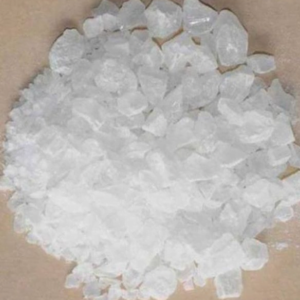
APCYP Crystal
€20.00 Select options This product has multiple variants. The options may be chosen on the product page